

International Assistance in the Phillippines
Why we are on site
The Philippines is one of the largest countries of islands in the world. Due to its geographic location, the country is one of the countries most affected by natural disasters. The island groups, their populations and ecosystems are subjected to tropical storms and typhoons, flooding, droughts and earthquakes. The effects of climate change exacerbate the situation. In addition, earthquakes and volcano eruptions are frequent occurrences. Social inequality in the country is great; a quarter of the population lives below the poverty line and often has no access to sanitation or clean drinking water.
What We Achieve Together with Our Partner Organisations
We have been active in the Philippines since 2011 and assist its people before and after natural disasters. We strengthen the resilience of the population living on site with our local partners. Together with the at-risk communities, the local authorities and further participants, we collaborate to develop measures for disaster prevention and adaptation to climate change. This includes strengthening local capacities to enhance the long-terme response to natural disasters, utilizing locally available knowledge.
November 2025: Typhoons hit the Philippines
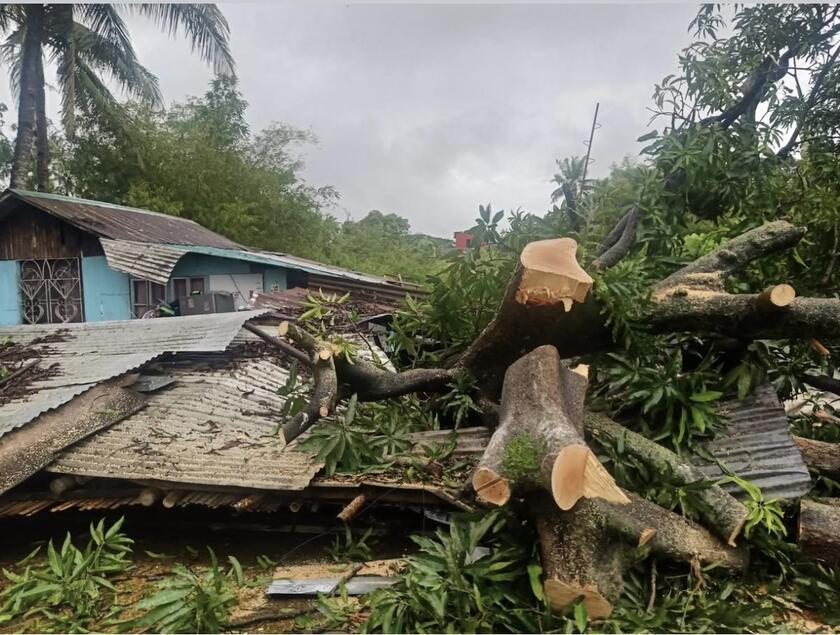
Two severe typhoons hit the islands of the Philippines with storm gusts of up to 230 km/h, leaving devastation and devastating flooding in their wake.
Our local partner, the Panay Centre for Disaster Response (PCDR), is active throughout the Philippines via its network and immediately provided emergency aid to those affected.
The Johanniter had carried out a project in 14 communities together with PCDR to better prepare people for future disasters. "We are very happy that there were no fatalities in any of our 14 communities. Our trained members of the disaster management committee were on duty before and during the disaster to support the people," reports PDCR director Armie Almero. The teams had informed the population in advance about the approaching typhoon and evacuated people from the affected villages. The rehearsed rescue chains worked well and no one was harmed.
At the evacuation centres, our partners are now looking after the people and providing them with hot meals. Safe spaces have been created for children where they can play and forget their fears and worries for a moment.