
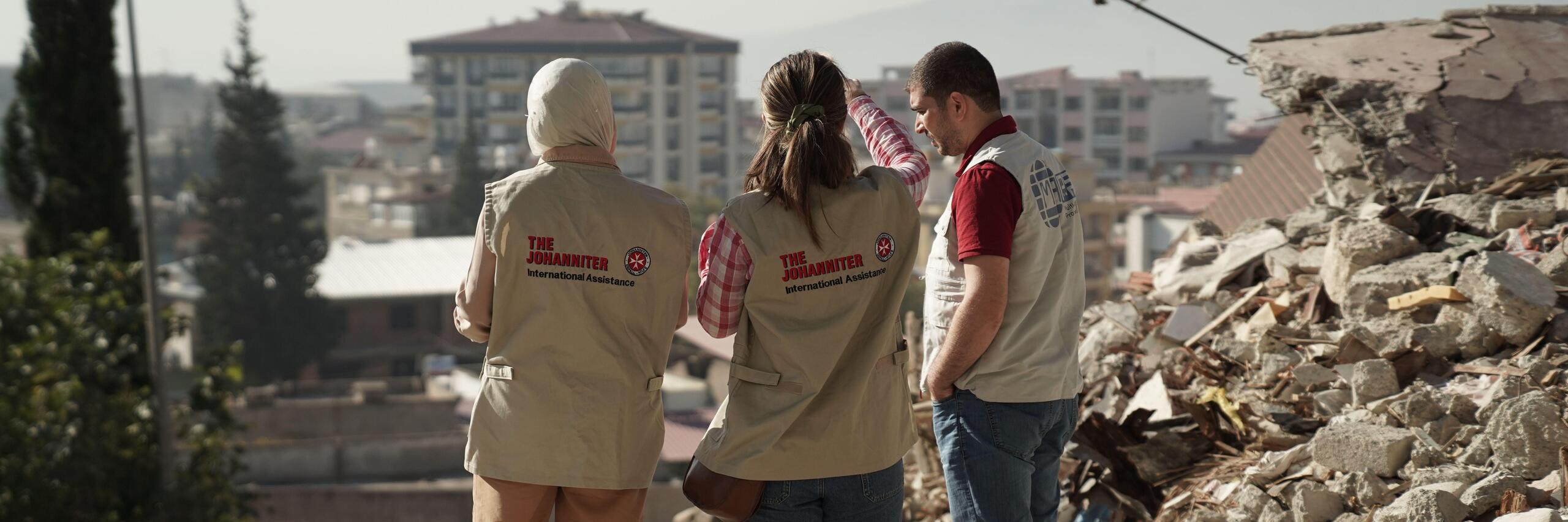
We ensure survival before and after disasters
Conflicts and wars, disasters, pandemics and the consequences of climate change have increased the global need for humanitarian aid and forward-looking disaster preparedness in recent years. According to the United Nations, almost 300 million people will be dependent on humanitarian aid in 2024. Ensuring the survival of people immediately after disasters and strengthening the resilience of disadvantaged people and communities are core objectives of Johanniter.
Disaster Risk Reduction: Preventing Suffering Before it Happens
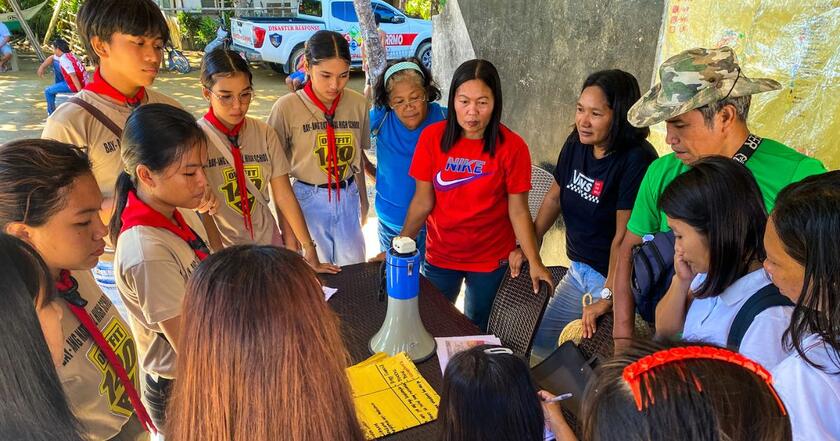
Together with local partners, we are committed to proactive prevention work. Communities and the people who live in them can only counter extreme events if they have been able to take the necessary protective measures in advance. The sustainable use of resources based on local knowledge and experience is crucial to strengthening resilience.
Emergency Response: Ensuring Survival after Disasters

If people find themselves in acute need as a result of disasters or conflicts, together with partners we help to ensure that they can provide themselves with the bare necessities by distributing relief supplies or financial resources. In doing so, we are guided by specific humanitarian needs and internationally applicable guidelines such as the Sphere standards in order to ensure the quality and efficiency of our measures. Where possible, we seek early cooperation with local partner organizations. For us, humanitarian emergency aid is usually the starting signal for a sustainable and longer-term commitment, in which we focus on reconstruction and disaster prevention.
Humanitarian principles and international law
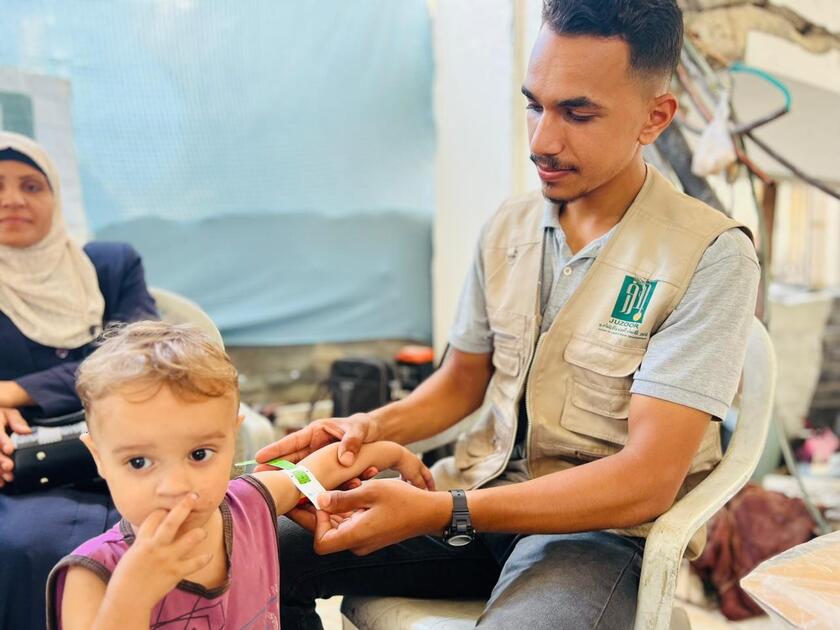
The global humanitarian crisis is coming to a head. The conflicts in Ukraine and the Middle East continue unabated. Humanitarian principles and international law are increasingly being violated without any consequences for those responsible. The suffering population is bearing the brunt of this, even in areas that should be protected, such as hospitals, schools and other civilian facilities. Humanitarian aid workers are also increasingly being killed while carrying out their work. Last year alone, 15 doctors, midwives and nurses from our partner JUZOOR died in Gaza. We condemn these violations of international law in the strongest possible terms.