
Ethiopia
Why we are on Site
The Somali Region in Ethiopia is one of the areas hardest hit by food insecurity. Repeated droughts and water shortages, together with many households relying mainly on livestock and rain‑fed farming, make food supplies very fragile. In parts of the region, acute malnutrition rates are regularly 10–15% and often exceed emergency levels. That is why we support local food production and help communities build reliable ways to grow food and earn an income.
At a Glance
What we achieve together with our partner
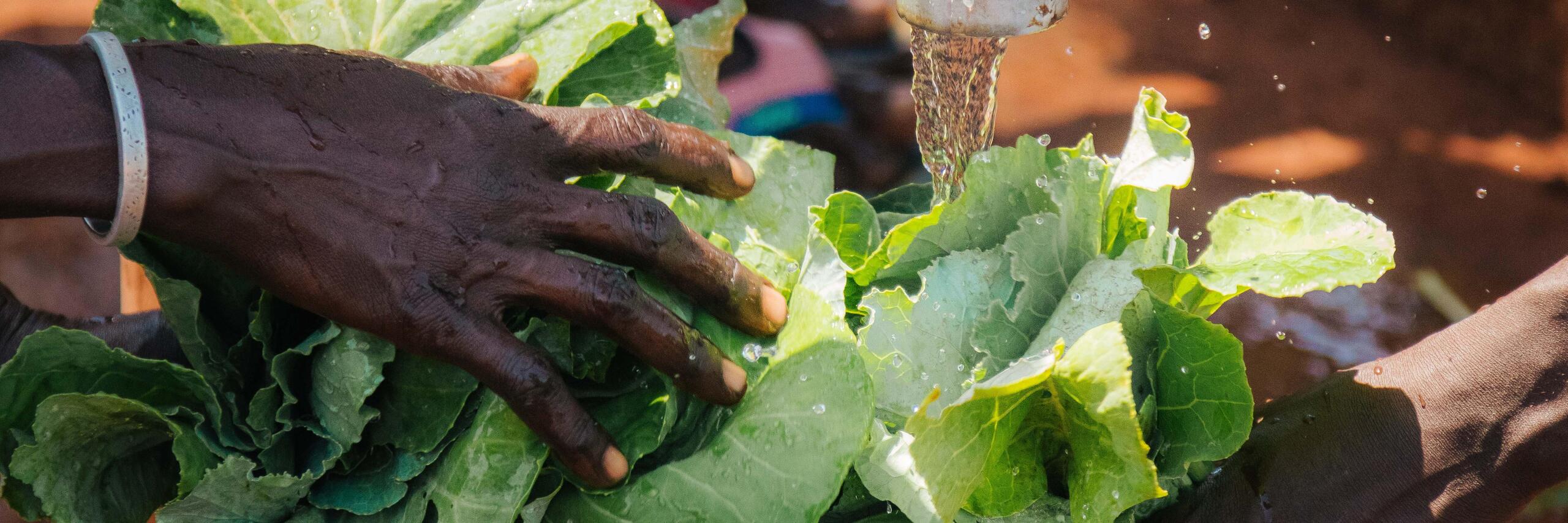
We are strengthening food security in Goljano Woreda together with our local partner RACIDA by promoting climate‑smart permagardens. In 200 households we support the creation of home gardens, provide climate‑adapted seeds and basic tool kits, and train families in water‑saving growing methods, composting and plant health. We pay special attention to pregnant and breastfeeding women and to children under five. Our training promotes a balanced diet and practical cooking tips. Staff and community representatives also receive training so the support continues after the project ends.
Through demonstration plots, hands‑on coaching visits and the involvement of regional authorities, we increase resilience to drought and strengthen local capacities for risk preparedness. The project aims for families to sustainably grow nutritious food themselves and become less dependent on emergency aid.