
Johanniter in Ecuador
Why We Are on Site
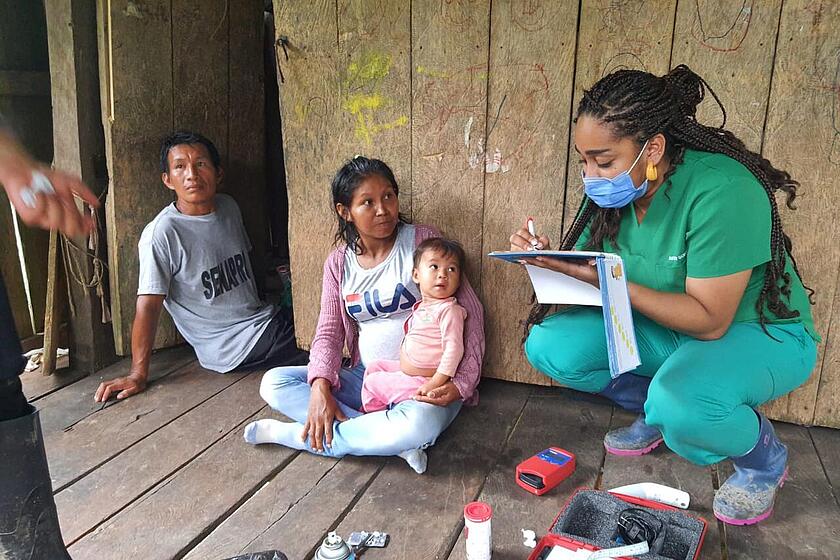
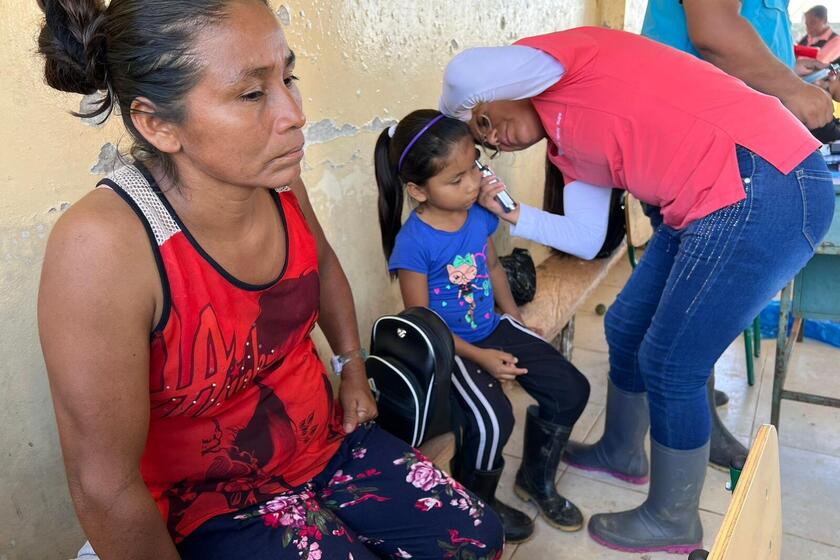
Ecuador is one of the most biologically diverse countries in the world. However, the country has a multitude of problems to grapple with, from poverty and inequality, to environmental destruction, water scarcity and violence, right up to the effects of armed conflict in Colombia. Many families are dependent on agriculture. However, the crops that are able to be cultivated are often insufficient for the people to provide for themselves. The indigenous population in the rural areas is particularly subject to impoverishment. There is often inadequate access to drinking water and appropriate health care. In addition, the local ecosystems face a continuing destruction. Women in particular suffer in this situation and from the great gender inequality, which is often accompanied by gender-specific violence. Additionally, more than 400,000 Venezuelan refugees face a increasing xenophobia.
At a Glance
Insights From Our Projects




How we Help in Ecuador
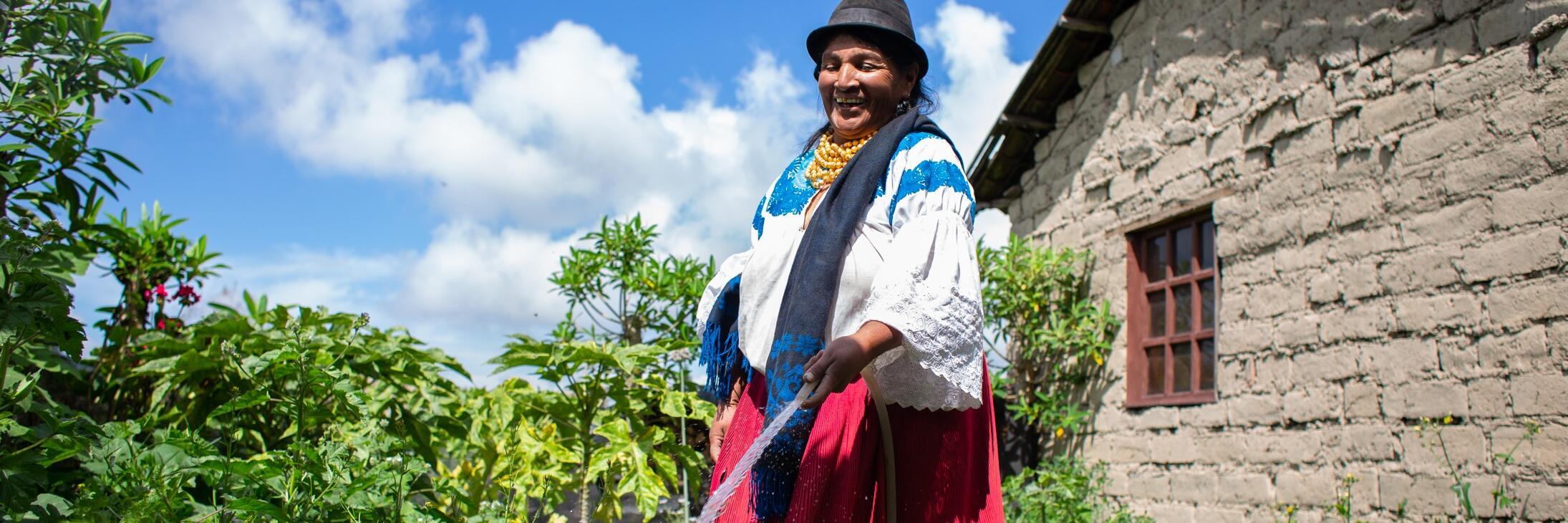
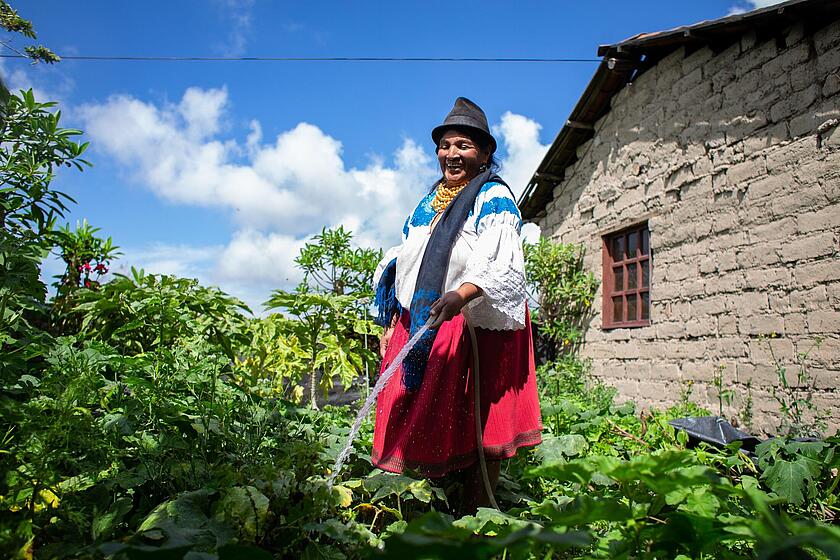
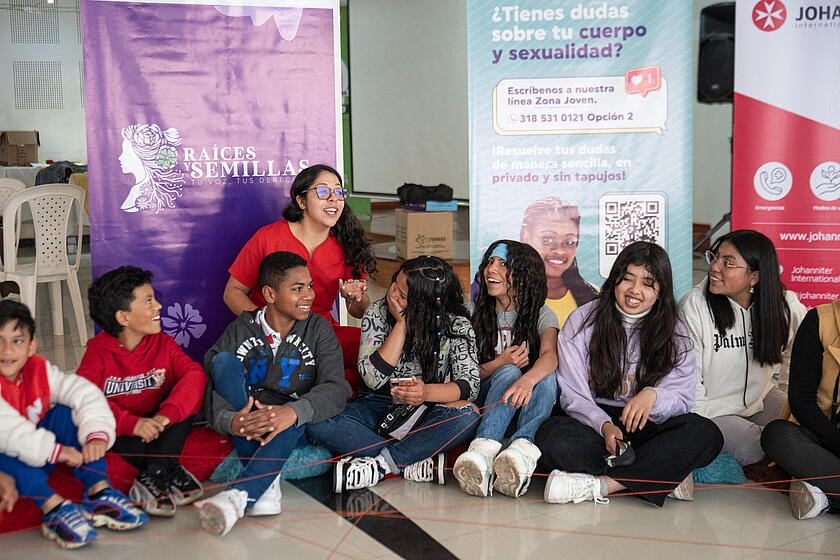
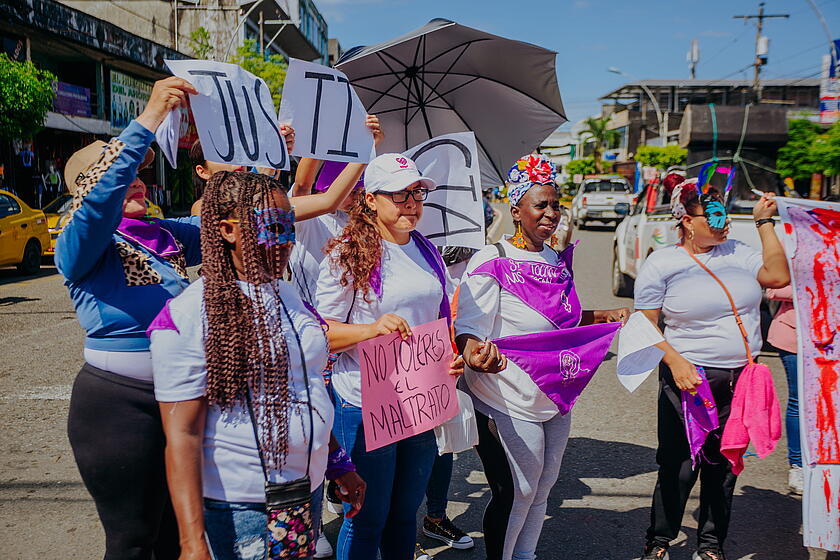
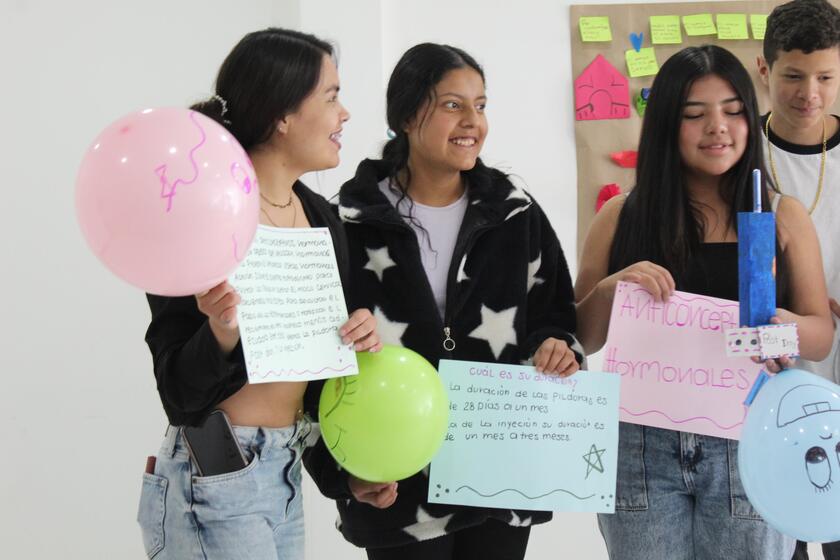
In the Andean region in northern Ecuador, we supported indigenous smallholders in the development of sustainable agriculture. Among other things, irrigation systems were installed to make them less dependent on the increasingly irregular rainfall. In the Pacific region of Ecuador, we worked on securing the livelihood of the rural population. To protect the local ecosystems, we implemented measures for sustainable use. In addition, marginalized women in the province of Sucumbíos were enabled to secure their livelihood and participate in the political sphere. This strengthened their position in their communities and families. Additionally, we supported the economic and social integration of Venezuelan refugees in four cities.
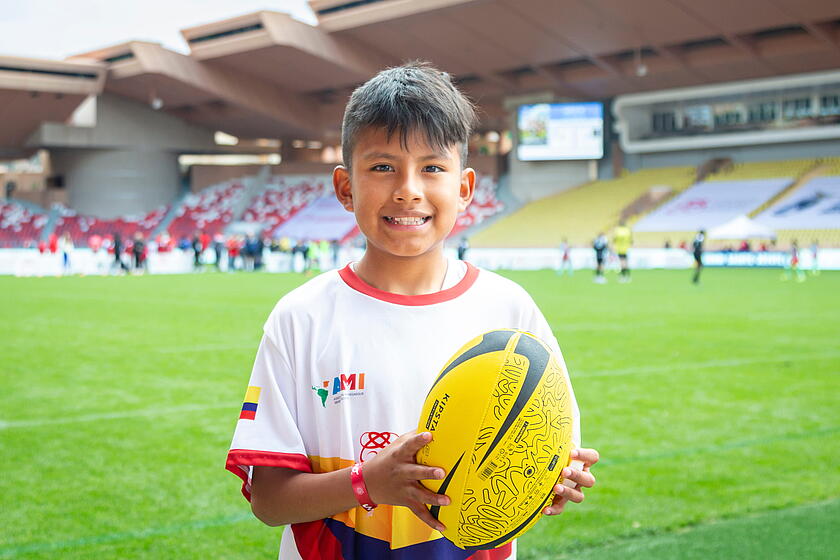
Most recently, we have been helping children and young people to build their psychosocial resilience through sport. These children experience violence in their everyday lives and see few prospects for their own future. Playing rugby, combined with psychosocial support, has shown them that it is worth putting in the effort and that they can achieve something.