
Annual Report 24
Contents
Who we are

For healthy global relationships
We care deeply about people, the health of every individual and human relationships. We support people in what they need for a healthy and good life. Together with our partner organizations we create a strong network of humanity that supports people in crisis and disasters.
We believe in the power of humanity and support those most severely affected on their own terms.
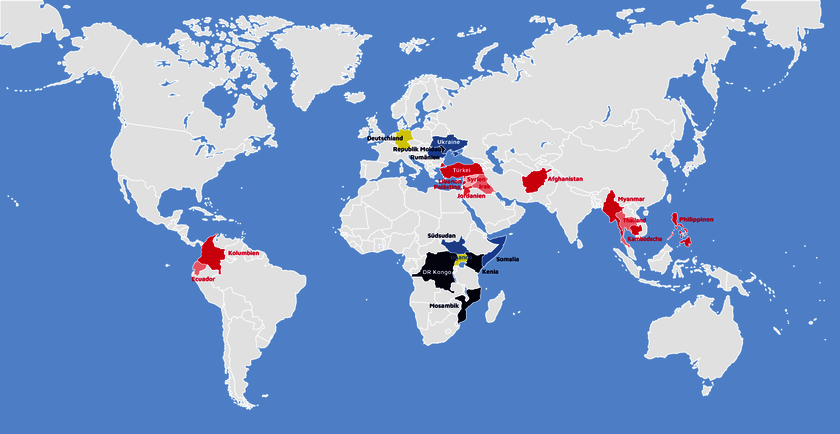
Our work worldwide in 2024 at a glance

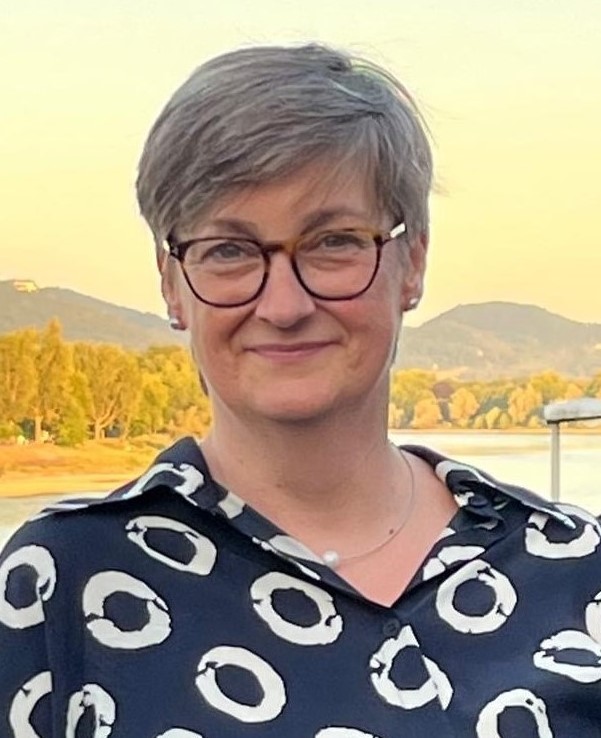
“True to our vision & fit for purpose” is the guiding principle for our change process, within which we will implement far-reaching decisions over the next two years.”
Susanne Wesemann
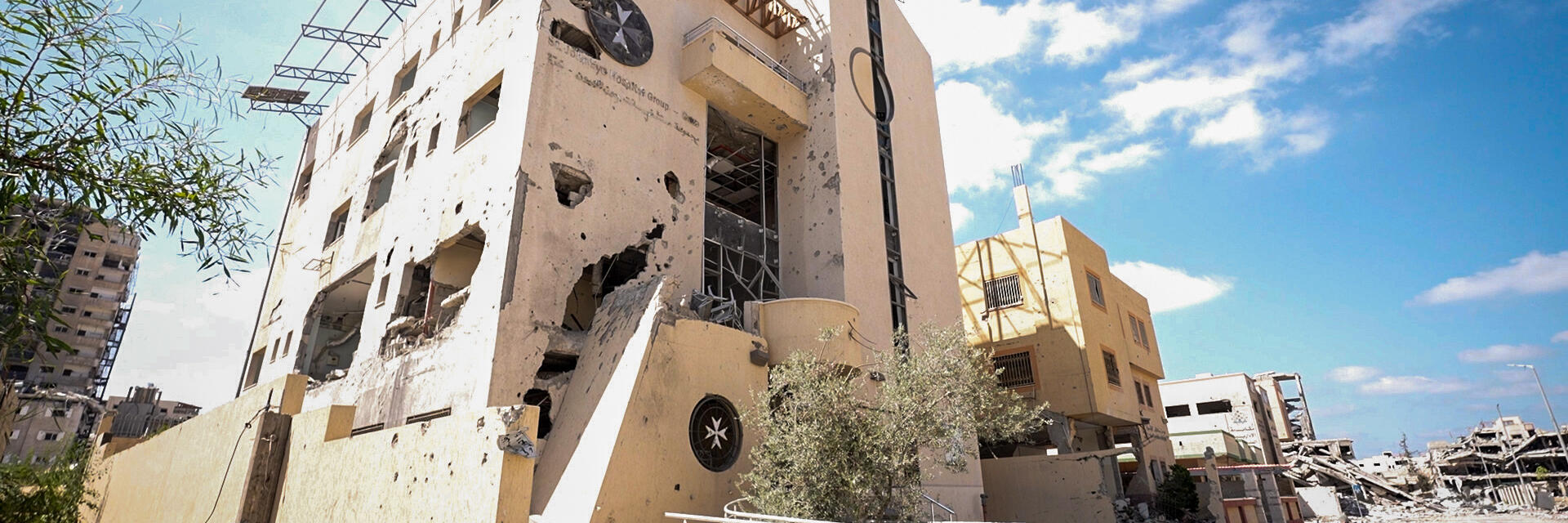
The humanitarian crisis is worsening worldwide. Wars continue and humanitarian principles and international law are increasingly being disregarded. Those most affected are the people on the ground. Even in areas that should be protected, such as hospitals and schools, their safety can no longer be guaranteed. Humanitarian aid workers are also increasingly at risk. We at Johanniter expressly condemn these violations of international law.
Ukraine: Solidarity, that changes lives
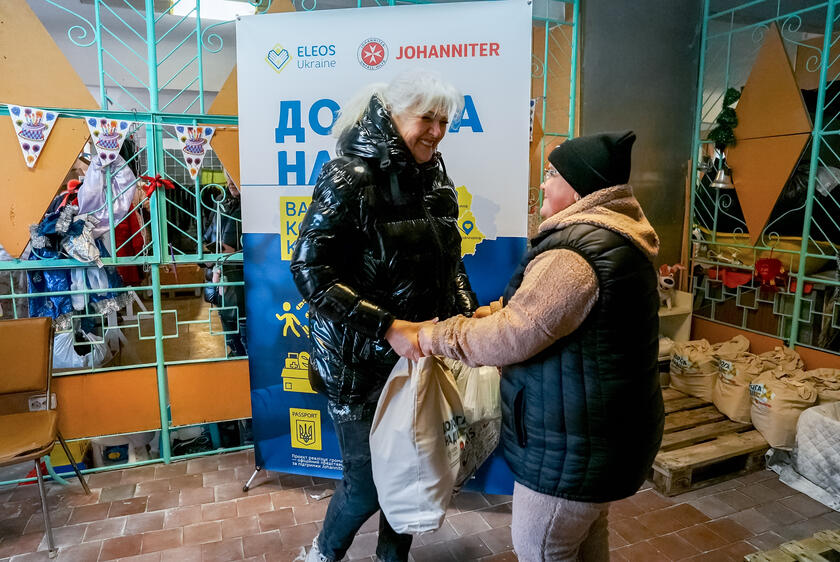
In the ‘Road of hope’ project, we work together with our Ukrainian partner organisation ELEOS to evacuate especially vulnerable people from frontline areas in Eastern Ukraine. Many of the affected people are elderly, in poor health or do not have the means to flee by themselves. ELEOS employees take them to safer regions where they receive help to make a fresh start. The project is an example of humanitarian support in times of crisis. It demonstrates the importance of international solidarity and highlights the commitment of aid workers to assist people in times of greatest need, giving them hope.
Middle East: Emergency Assistance for people affected by war
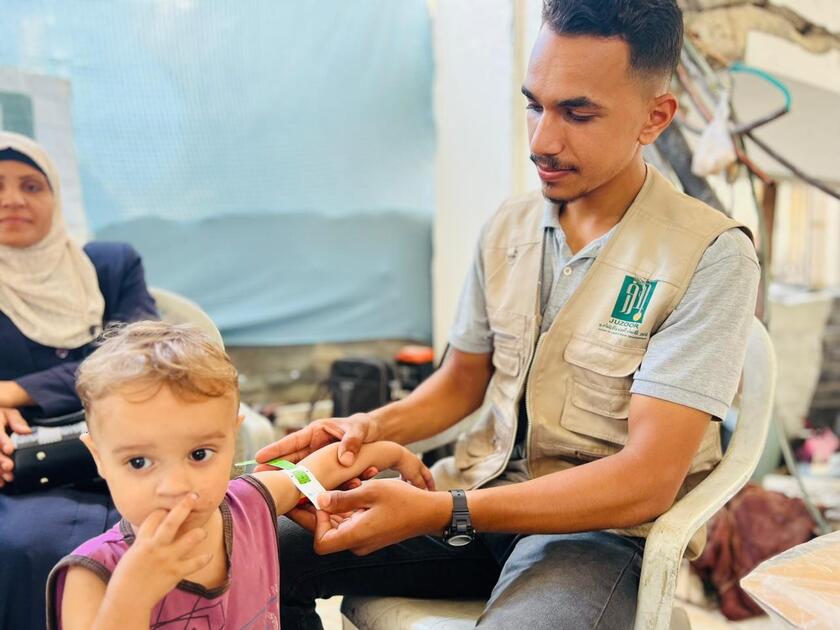
The situation in Gaza is particularly dramatic, more than a year and a half has now passed since the start of the war and massive destruction continues. Together with our partner organisation JUZOOR we provide emergency medical assistance for displaced persons, particularly in refugee camps and communities in North Gaza. One major priority is providing care to pregnant women, young mothers and children and treating malnutrition. Ophthalmological services in emergency hospitals are also supported to treat eye injuries and chronic eye illnesses.
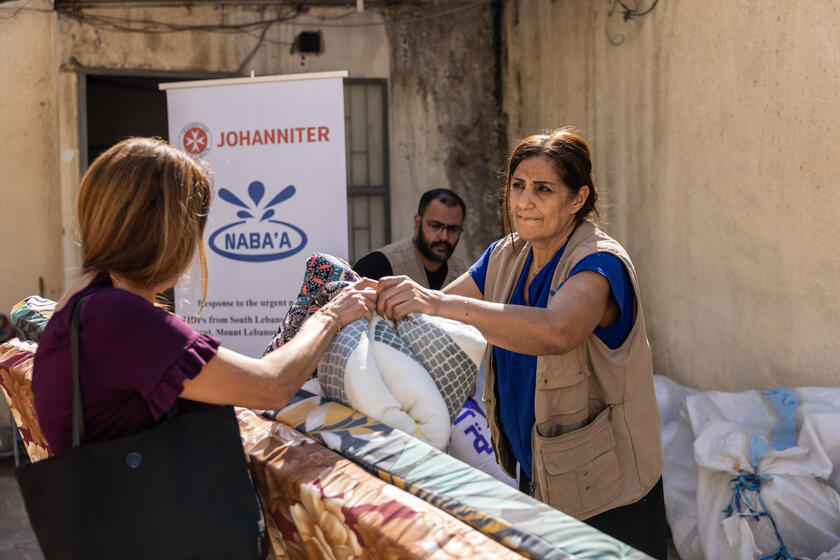
The situation in Lebanon is also intensifying due to the escalation of fighting in autumn 2024 and the ongoing economic crisis. Many people are on the run and living in precarious conditions. Together with our partner Nabaa we provide short-term support to displaced persons like food, sleeping bags, emergency cash and psychosocial support.
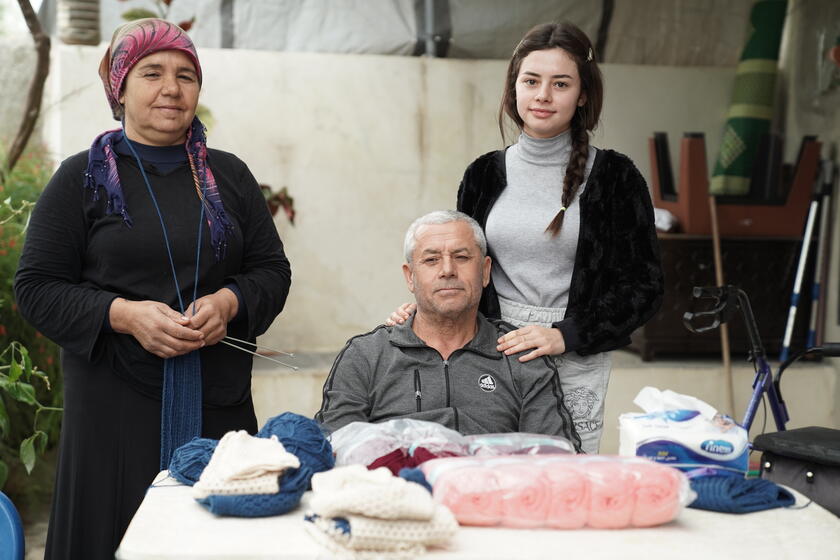
We have been active in Syria for over 12 years, assisting the population in the north-west of the country, where humanitarian needs are still high. Together with local partners, including MAPS, BAHAR and ORANGE, Johanniter is implementing projects to provide medical care, improve infrastructure and improve incomes. After the fall of the Assad regime in December 2024, the future of the country remains unclear. The new government is facing enormous challenges in how to meet the extensive needs of its population.
Working safely in high-risk countries
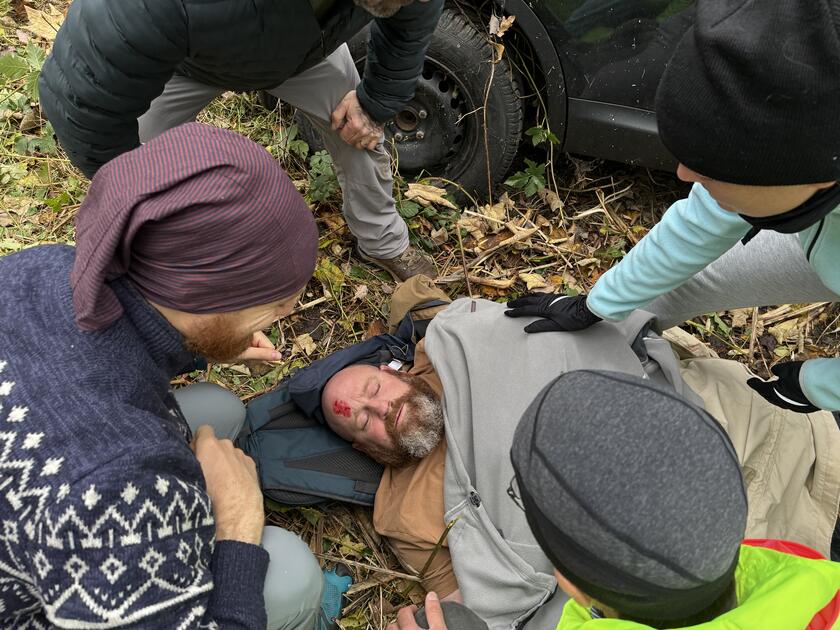
Johanniter International Assistance currently operates in 21 countries, ten of which are classified as high-risk countries and seven of which are among the ten countries with the highest number of security incidents involving humanitarian workers worldwide. Security is therefore a top priority.
Our employees are specifically prepared for assignments in high-risk regions through practical training courses such as HEAT (Hostile Environment Awareness training) courses. We also offer our national staff tailor-made security training courses that are adapted to the specific challenges of the regions where they work. In this way, we strengthen the safety and operational capability of our teams and continuously improve our protective measures.
Humanitarian system under pressure
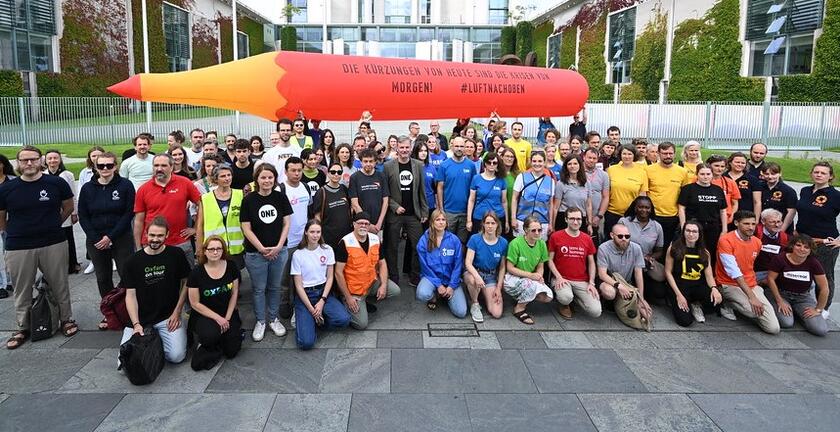
Nationalist movements, increasingly violent conflicts and the weakening of the international, rules-based order are hampering the humanitarian system. Humanitarian principles are being disregarded, while multilateralism is becoming less important. In addition, Nationalist developments and budget cuts in Western donor countries are destabilising humanitarian planning and funding. This particularly affects women and girls: Programmes aimed at them are often the first to be cancelled, even though genderbased violence increases dramatically during conflicts. Attacks on humanitarian personnel are reaching record levels, international law is being disregarded and impunity for war crimes persists In view of these developments, it is essential for civil society to stand united and clearly come out in favour of humanitarian values. Humanitarian organisations must actively emphasise their role and relevance, defend international law and continue to work for fairer international cooperation.
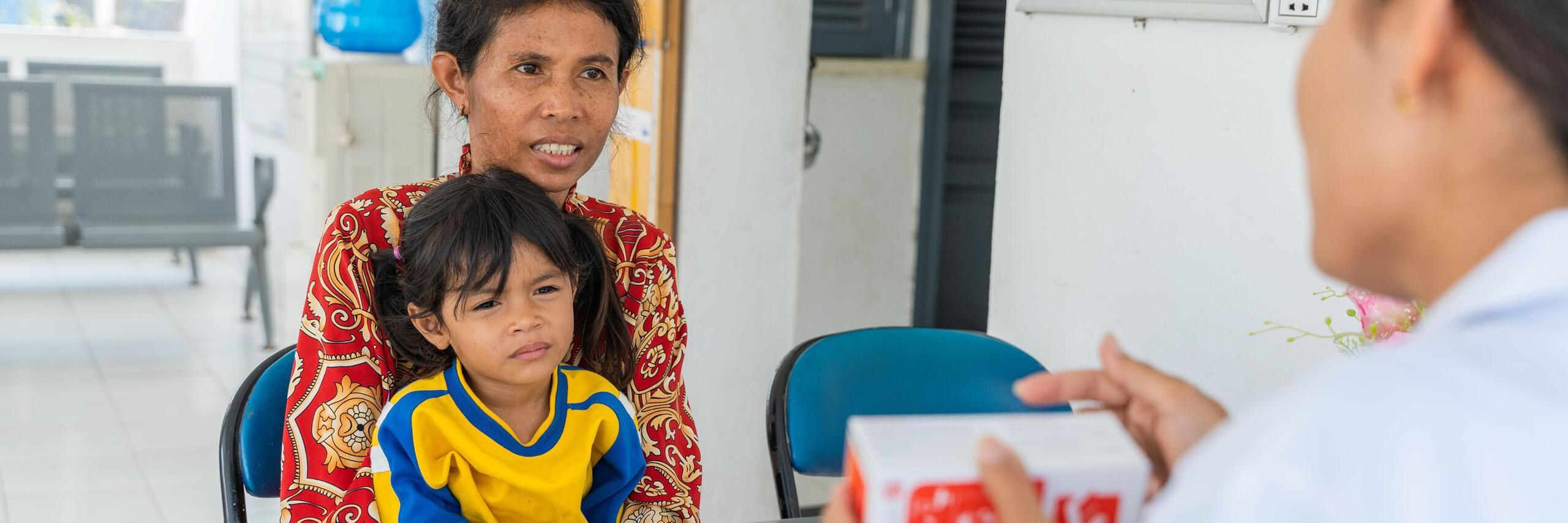
Health means more than just the absence of disease – it includes physical, mental and social well-being. Especially in crises, we support children under the age of five as well as pregnant and breastfeeding women. We promote preventive health through education on nutrition, breastfeeding and hygiene, and ensure access to clean water and sanitation facilities. Children are screened for malnutrition and receive specialised nutrition. We provide medical care through mobile clinics, health stations and the training of specialist staff. Mental health is also an important part of our programmes.
Ecuador: Medical relief for marginalised groups
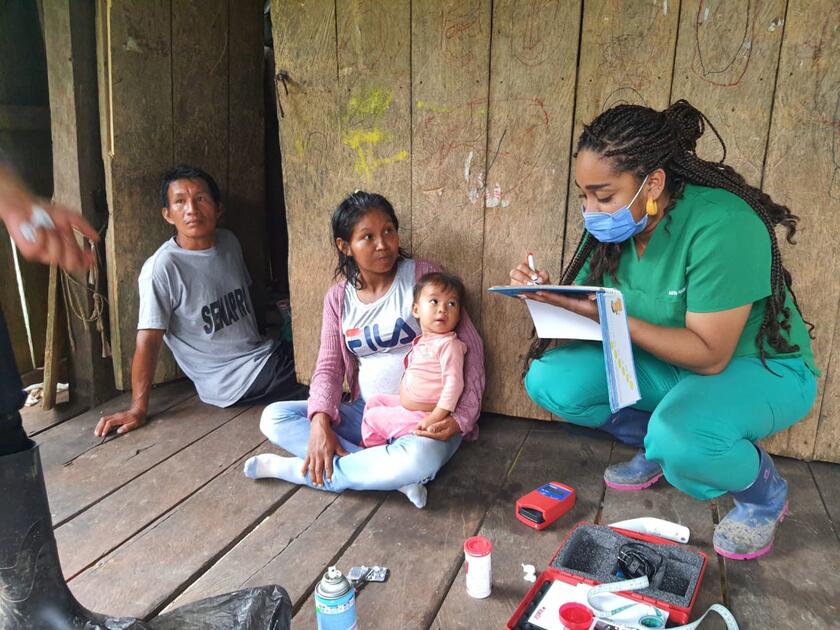
Diseases such as high blood pressure and diabetes are common in the Putumayo Canton in the Amazon region of Ecuador. Malnutrition is a particular problem among children. People living in poverty in rural areas and members of indigenous groups do not have adequate access to health care. This is why we are working with the RIOS organisation and the Ecuadorian Ministry of Health on a project to improve the situation for 3,000 people: as we are training doctors, nurses, community health workers and midwives in 25 communities, families are being taught how to change their diet to stay healthy for longer. Special attention is paid to the needs of indigenous groups and women.
Mozambique: Empowering women
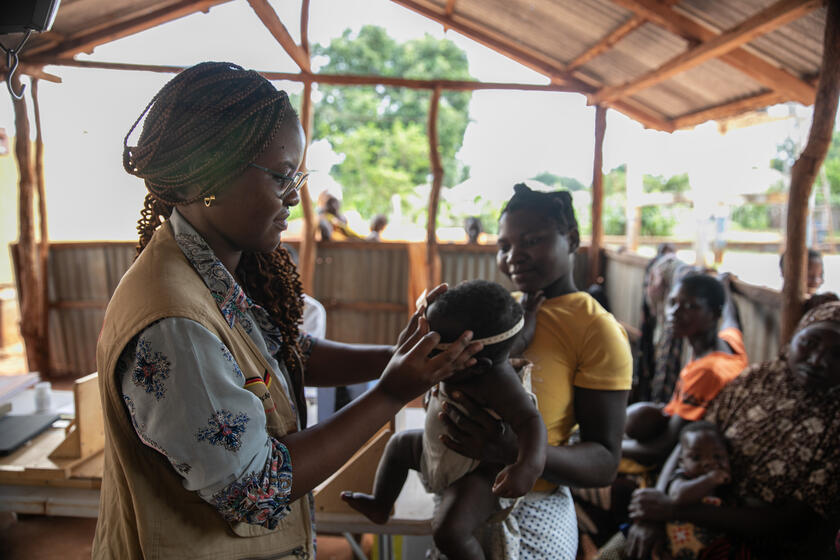
Sheila Antique is a nutritionist with Johanniter in Mozambique and supports our mobile clinics in conducting preventive health checks for babies and young children. There, the children are weighed, measured and their nutritional status monitored. In addition, women's groups in the villages are trained as ‘model mothers’, learning how to prepare healthy meals, recognise malnutrition and pass on their knowledge to other mothers.
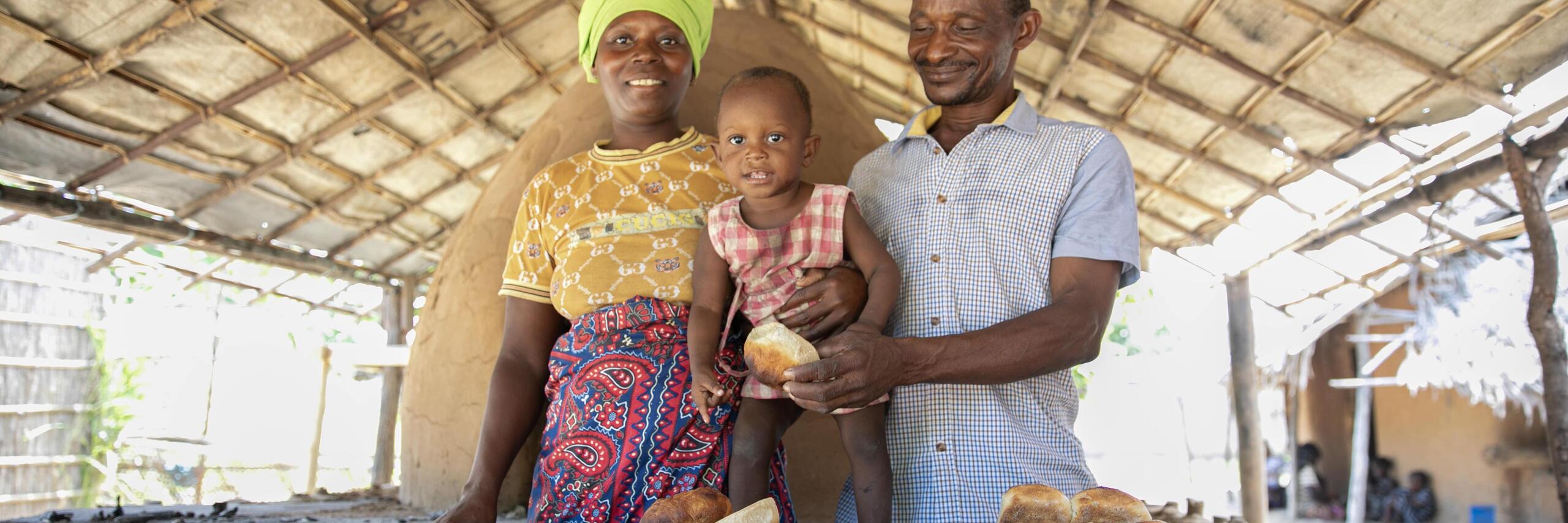
The health of people in vulnerable situations is at the heart of our work. To ensure that their situation improves sustainably, our programmes also include income and food security measures. Families receive education and training as well as support for independent sources of income. In regions with increasingly extreme environmental conditions, people learn how to farm efficiently and in a climate-friendly way, enabling them to increase their income and secure their food supply. In the immediate aftermath of a humanitarian crisis, we help people meet their short-term needs. Long-term food security is restored next.
Syria: Hope and income for families
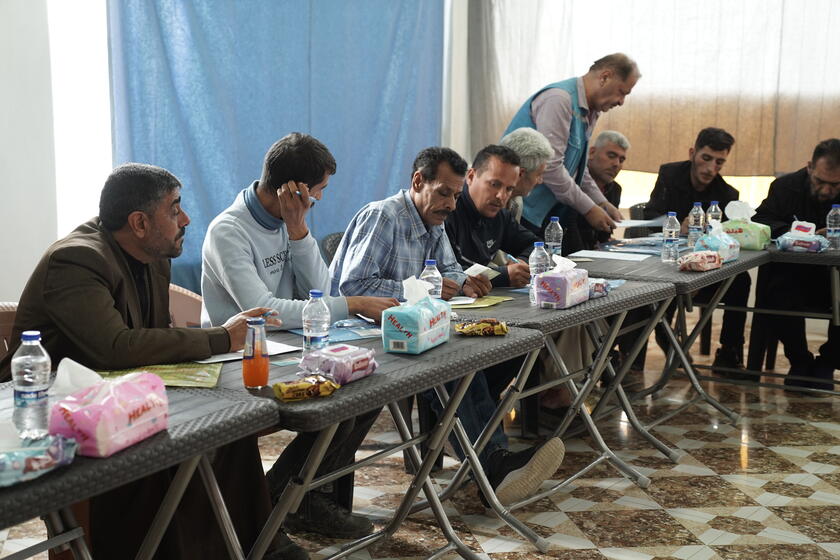
Abdul Hamid from Syria was displaced to the city of Afrin due to the civil war. By participating in the ‘Cash for Work’ project of our partner organisation MAPS, their life took a positive turn. Abdul now cleans the streets in his community and receives a fixed wage for his work. As well as providing financial relief, the new job has helped to improve Abdul's mental health and secure his children's education.
In addition to ‘Cash for Work’, our partners MAPS and BAHAR also provide participants with entrepreneurship and leadership training with financial start-up support. This gives them the chance to start their own business with their own idea, for a sustainable source of income.
Uganda: Success through agriculture
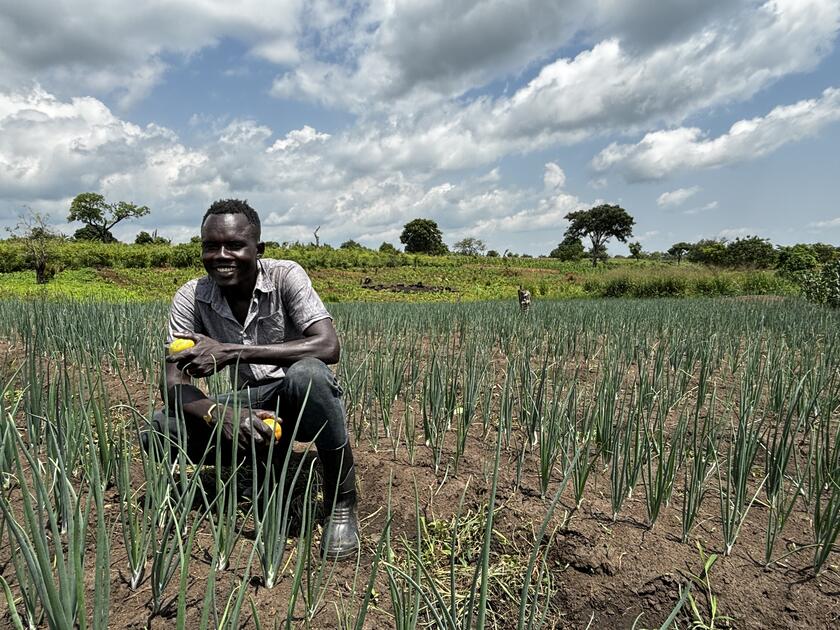
Geoffrey Phillip Taban began growing tomatoes in his village in Uganda four years ago. After training with our partner organisation Ceford, he was able to use his income to set up a rental business for party tents and chairs. Today, he runs a thriving business, charges mobile phones and continues to grow vegetables. His land serves as a demonstration farm for other farmers.
Together against world hunger
The WDR2 “Christmas Miracle 2024” raised over 12 million euros for the fight against hunger. The campaign took place for the third time and brought together listeners, celebrities and committed individuals who donated to a good cause. Thanks to their generous support, we were able to implement two projects: In South Sudan, infants, pregnant women and nursing mothers receive medical care and support for malnutrition. In gardens, mothers learn how to grow and prepare healthy vegetables. Schoolchildren in Kenya are also learning this. Despite frequent periods of drought, they are able to eat a nutritious diet. The pupils pass on their knowledge to their families, thereby strengthening the entire region.

Climate Change
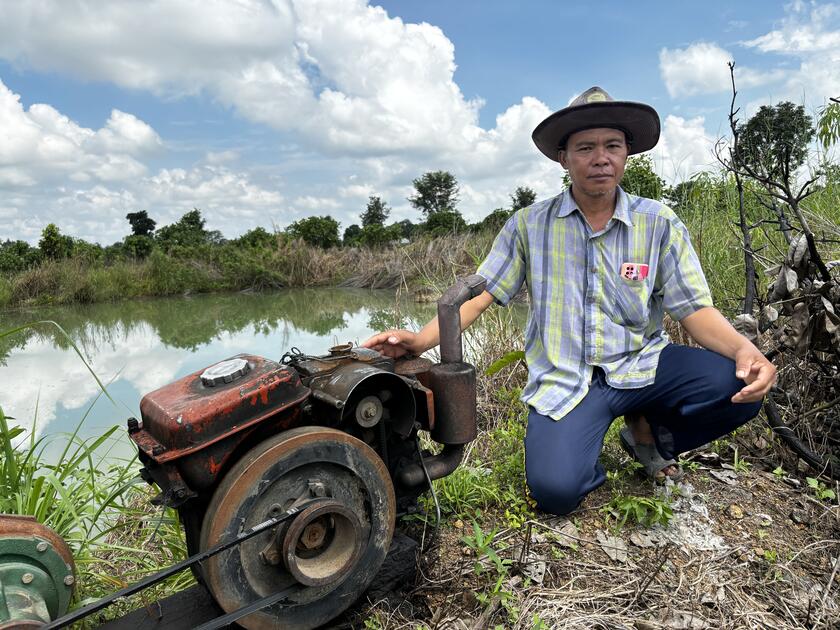
Climate change is intensifying challenges for livelihoods and health systems in vulnerable Africa, Asia and Middle East contexts where Johanniter is active.
Changing weather patterns, extreme weather events and prolonged droughts affect agricultural productivity, threatening the food security and income of communities dependent on agriculture. Climate change also increases health risks by favouring the spread of diseases such as malaria and cholera, while at the same time exacerbating water scarcity and malnutrition. Our projects therefore focus on climate-friendly agriculture, improved water infrastructure, early warning systems, local adaptation and community-based health initiatives to secure livelihoods and health.
For strong women and girls
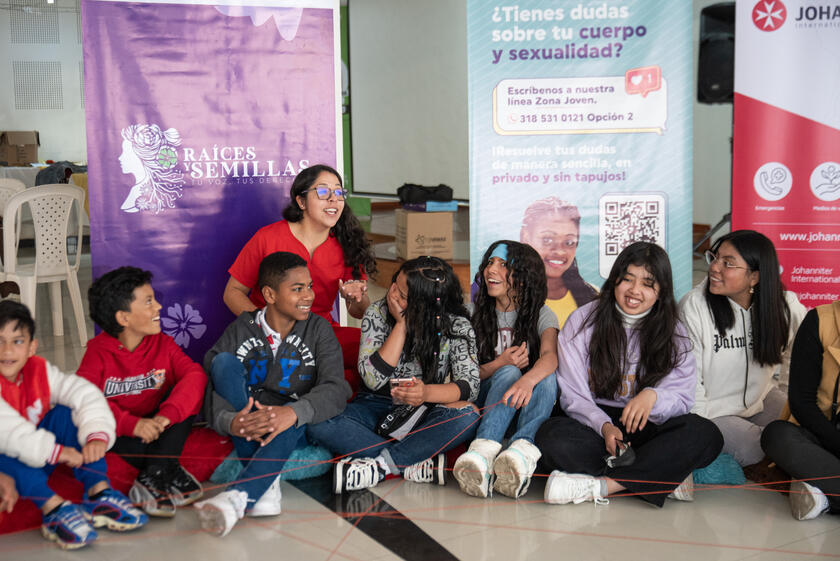
Promoting gender equality is one of the cross-cutting themes of our Strategy 2027. This means that we place special focus on supporting women and girls through locally- led and community-based approaches in our international programmes. Crises disproportionately affect women and girls, further exacerbating existing inequalities. Together with our partner organisations, we support them in knowing and defending their rights, reducing gender-based violence and strengthening their economic independence. Gender equality is actively integrated into our programmes and structures in order to reduce structural inequalities.
In 2024, we continued to develop in all areas of the organisation. In doing so, we took another step towards achieving our goals for 2027. Our 361 full-time employees at our Berlin headquarters and in our regional offices work towards this every day.
Safeguarding: For a culture of respect
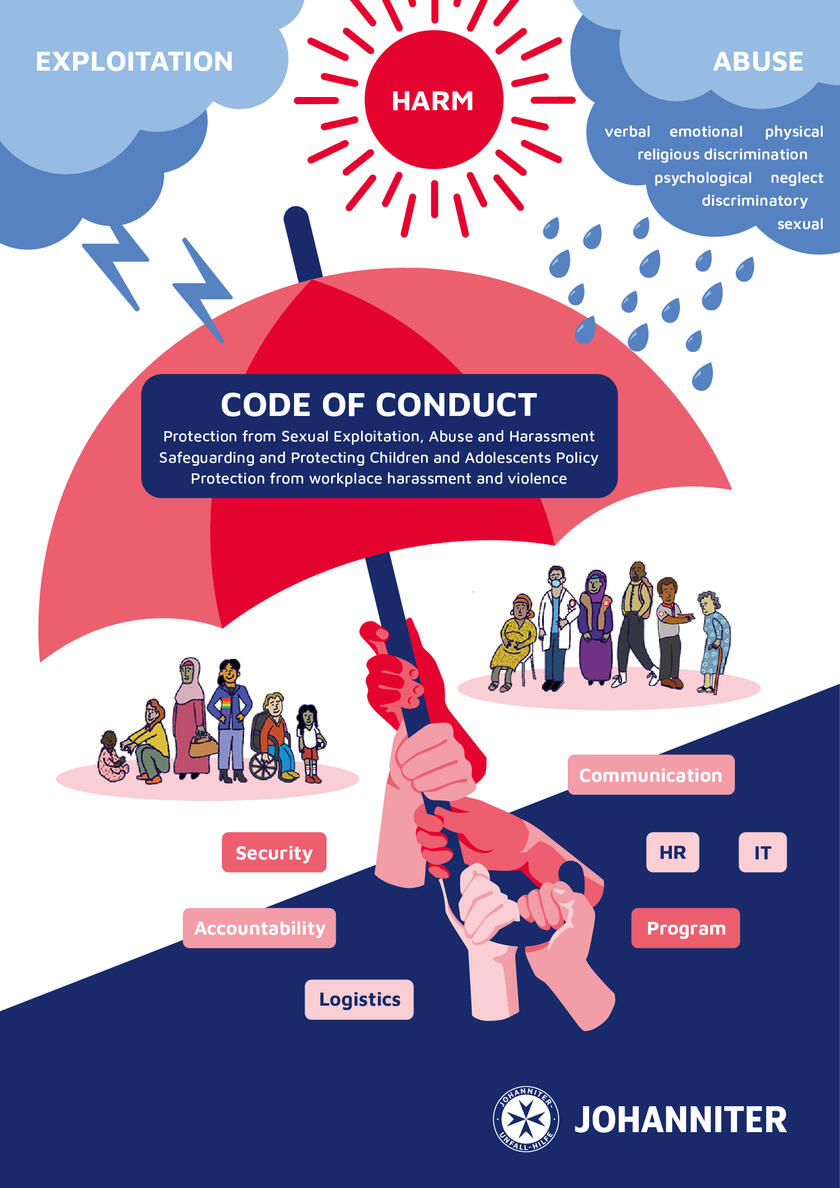
We endorse the principle of safeguarding. This means that we are committed to protecting the physical and mental well-being of anyone who comes in contact with our work. This applies to employees, partner organisations and all people involved in our projects. We implement international standards, promote a culture of respect and prevent the abuse of power and privileges, for example through an intersectional approach. In every country where we operate, we have trained safeguarding officers who implement specific initiatives and exchange information on a regular basis. Our ‘Guide for Victims’ ensures that victims receive rapid and sensitive support.
Strong thanks to local colleagues
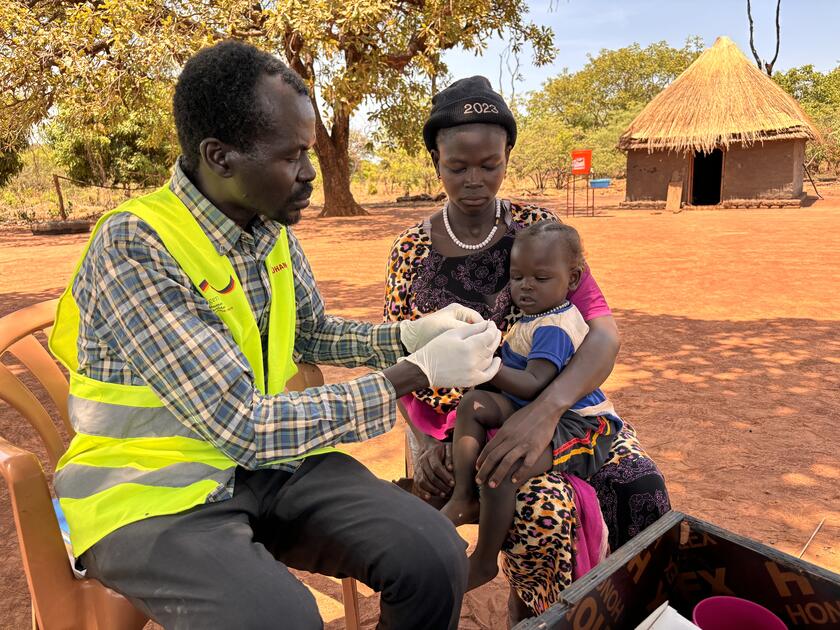
Over 70 per cent of our colleagues in the country offices are national employees. They contribute valuable knowledge about local conditions, language and culture, thereby strengthening the trust of the population. Our national teams are crucial to the success of our work, are actively involved in strategic decisions and are supported in their further development.
Interview with the Federal Executive Board
In view of the wars, climate crisis and social tensions of 2024, Johanniter is taking a clear stance: if you want a future, you have to show resilience. Federal Board members Thomas Mähnert and Christian Meyer-Landrut explain why this requires agility.