
International Assistance in Mozambique
Why we are on site
The effects of climate change are clearly felt in Mozambique. The country regularly experiences extreme weather events such as droughts, floods and cyclones, which cause widespread damage affecting millions of people.
Mozambique is also one of the poorest countries in the world. Around 70 per cent of the population live below the poverty line, making them particularly vulnerable to the consequences of climate change. Food is quickly becoming scarce. The result? Currently, around a quarter of the population suffers from food insecurity and nearly half is undernourished. More than one in three children under the age of five suffers from stunted growth.
Cabo Delgado province in the north of the country is one of the poorest regions. This region has experienced civil war-like conditions for years. In October 2017, terrorist attacks began there. These attacks are attributed to insurgent Islamist groups and pose a major threat to the region's security and stability. In addition to religious extremism, ethnic tensions exist between the different tribes. Dozens of people have been killed and tens of thousands have been driven from their homes and villages.
As of July 2025, more than 600,000 people have been displaced within Mozambique. Due to the conflict and repeated displacement, food insecurity is increasing, as agricultural activities and markets are repeatedly disrupted.
What we are doing
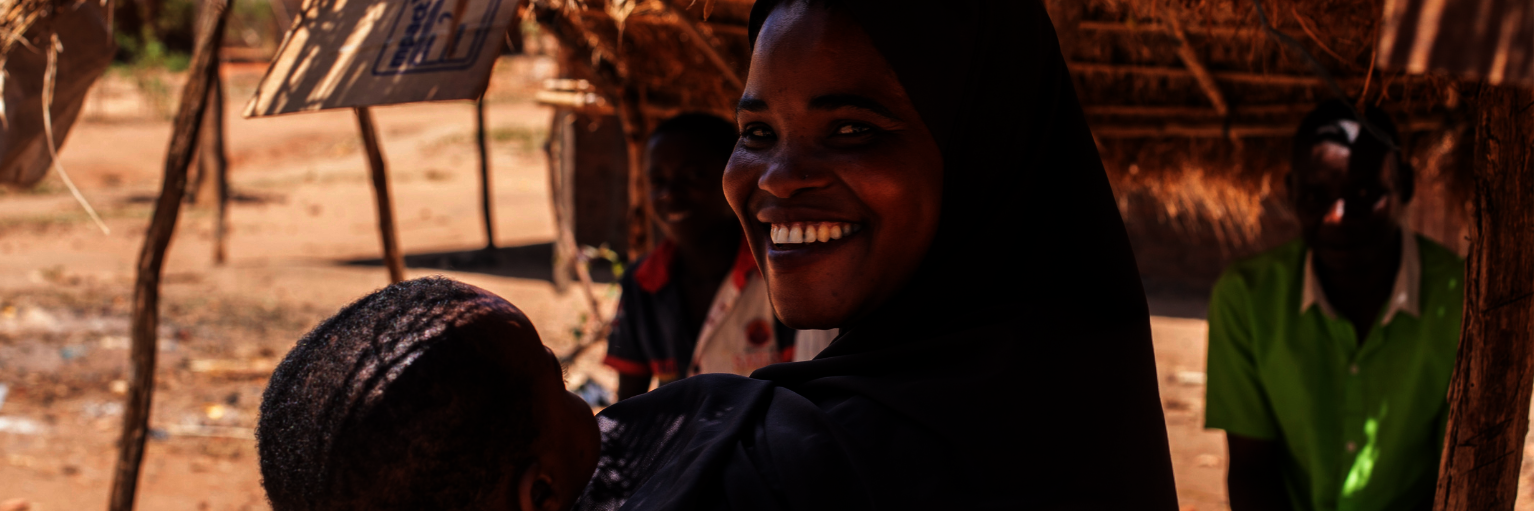
There are very few health clinics and hospitals in this region. Our teams travel to the villages with mobile clinics and provide free medical care to the residents. Children and infants are examined and screened for malnutrition or diseases such as malaria. The mobile clinic missions are accompanied by awareness campaigns on disease prevention, family planning, and hygiene practices, as well as on topics such as gender roles and domestic violence.
Another focus is on reducing the risks faced by the population in connection with climate-related disasters and poverty. To this end, local capacities and structures for disaster preparedness are strengthened to reduce vulnerability. Risks are mitigated, and people are prepared for potential events. Through our project, we also improve people’s nutritional situation and livelihoods in a sustainable manner. Self-sufficiency enables them to have a healthy and adequate diet. Through local conflict resolution, we also promote social cohesion and peaceful coexistence at the intra- and inter-community levels.