Johanniter in Syria
Why We Are on Site
After more than 14 years of war and over half a century of rule by the al-Assad family, Bashar al-Assad’s government came to an end in December 2024. Since January 2025, Ahmed al-Scharaa has been leading the country as interim president. Violence has declined significantly since the upheaval, but attacks continue in the south. It remains to be seen how the country will develop and what this means for the work of aid organisations.
One thing is certain: the humanitarian situation remains dire. In 2026, around 15.6 million people – more than six in ten Syrians – are dependent on humanitarian aid. Over seven million are affected by acute food insecurity. According to the United Nations Development Programme (UNDP), nine in ten people were most recently living in poverty. Around 5.5 million people are internally displaced, whilst some 4.9 million live as refugees abroad. At the same time, more than three million displaced people have returned to their places of origin since December 2024. There they face major challenges, as civilian infrastructure has been severely damaged or destroyed over the years. Around 12 million people require support with water, sanitation and hygiene.
The severe earthquakes that struck south-eastern Turkey and north-western Syria in February 2023 have further exacerbated the crisis in the region. Aid remains in short supply. The UN’s 2026 relief plan allocates US$2.9 billion for 8.6 million people and was most recently funded to just over 31 per cent.
At a Glance


How We Help in Syria
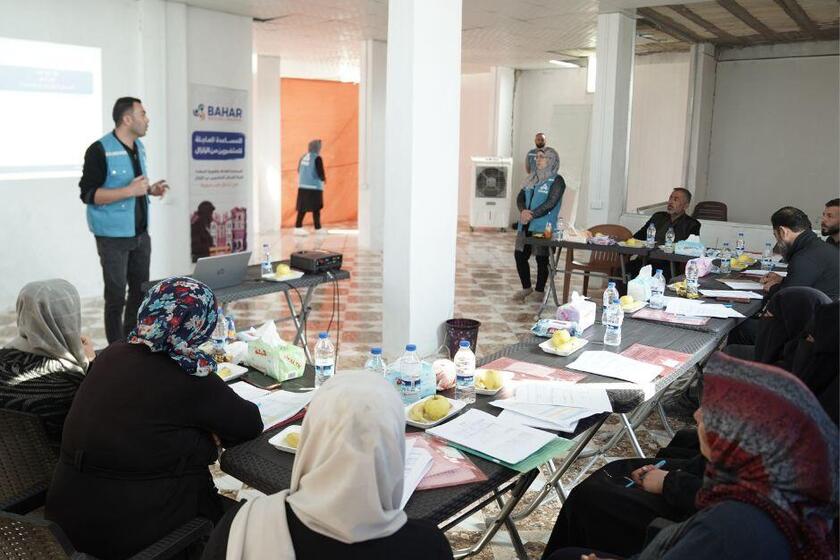
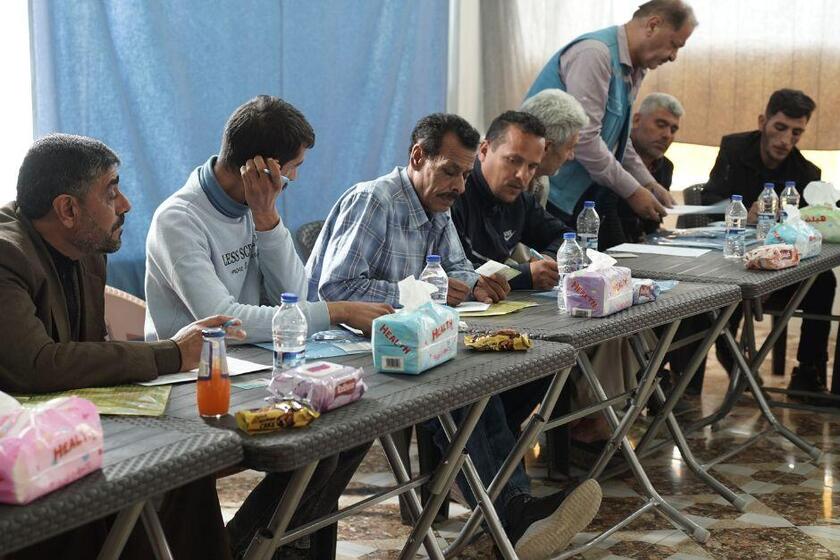
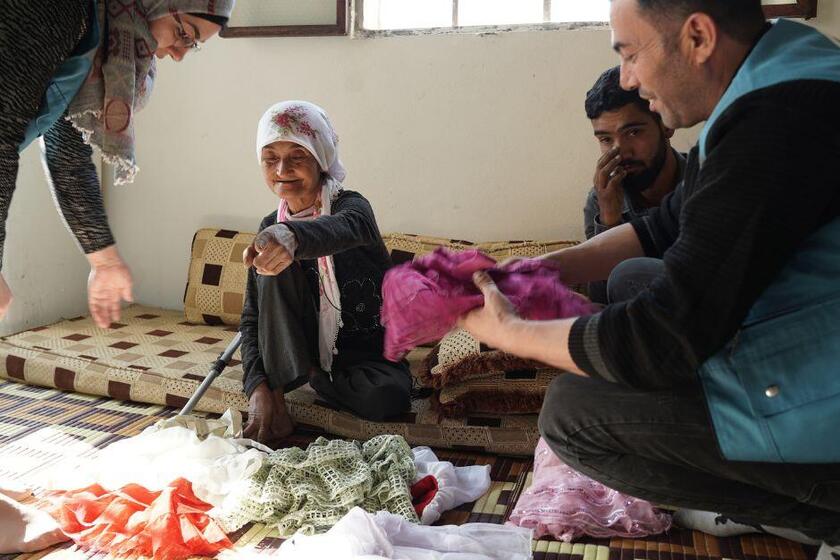
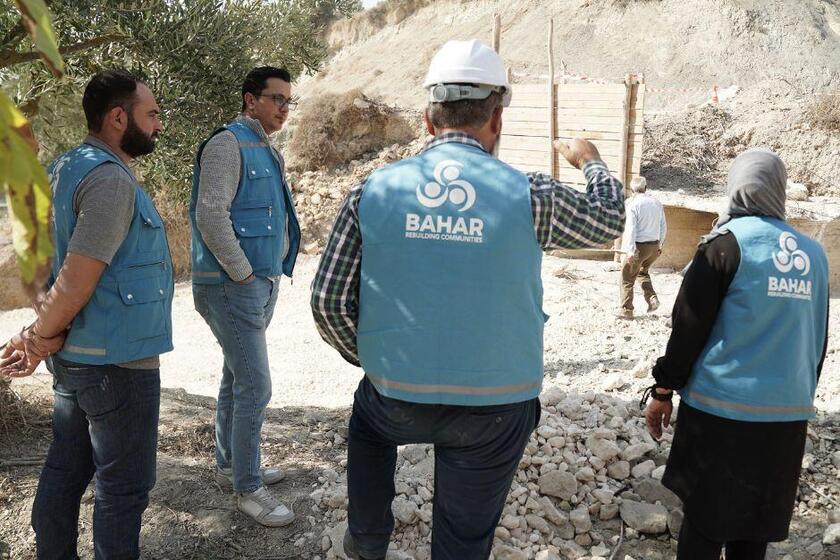
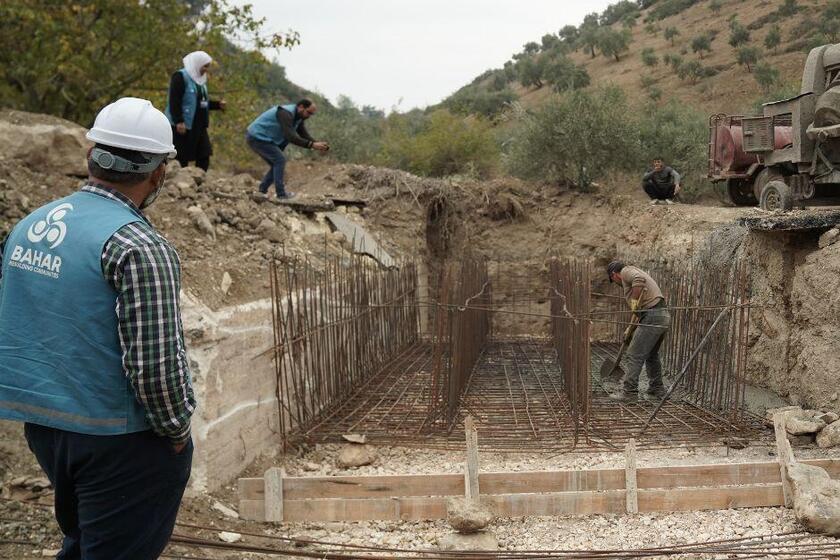
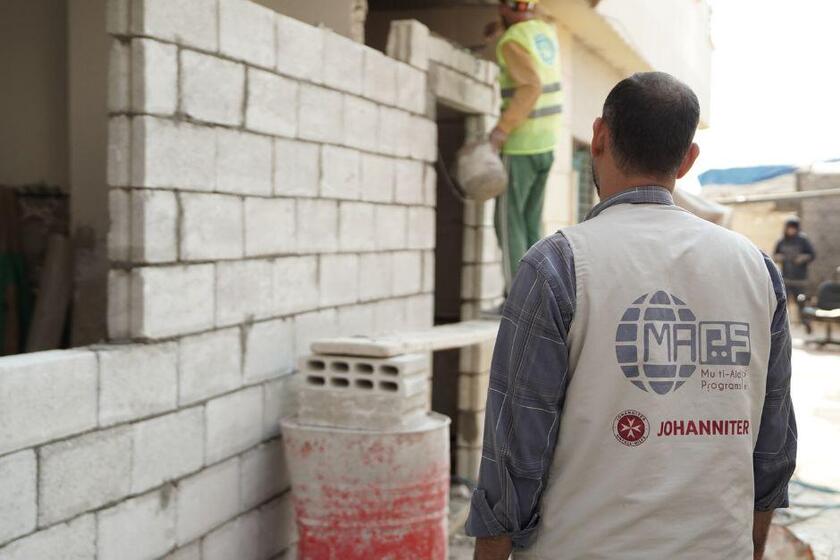
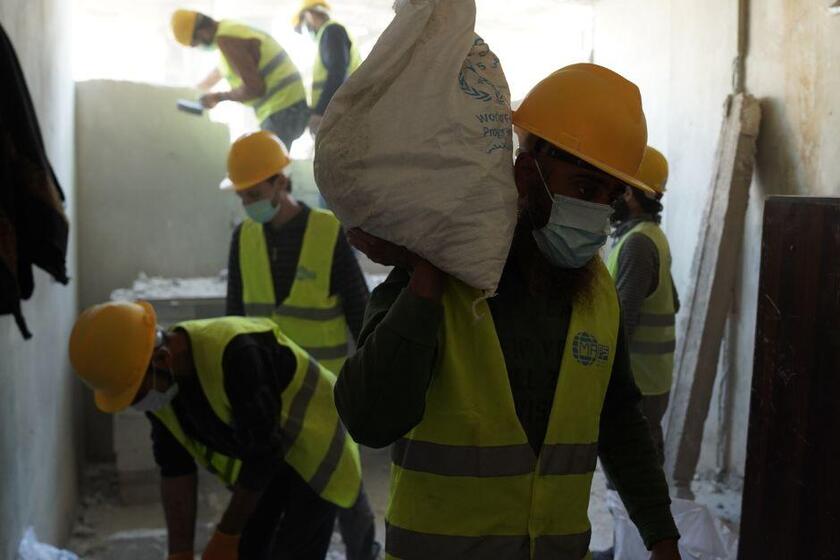
Aid following the 2023 earthquake. Immediately after the quake, we worked with our partners to support those affected through emergency relief measures such as the distribution of hot meals and hygiene kits. Together with our partner BAHAR, we enabled people to generate their own income through cash-for-work programmes and training courses. Our partner MAPS trained young people in technical trades.
Together with BAHAR, Orange and Equity & Empowerment (E&E), we also ran a project for 16,000 people until the end of 2025, focusing on the following areas:
- Income and agriculture: cash-for-work, savings and credit groups, climate-resilient agriculture, vocational training.
- Health: Support for health centres.
- Water: Repair of a flood protection tank.
- Protection and disaster preparedness: Protection against violence, psychosocial support, early warning systems.
We are currently planning new aid measures in Syria.