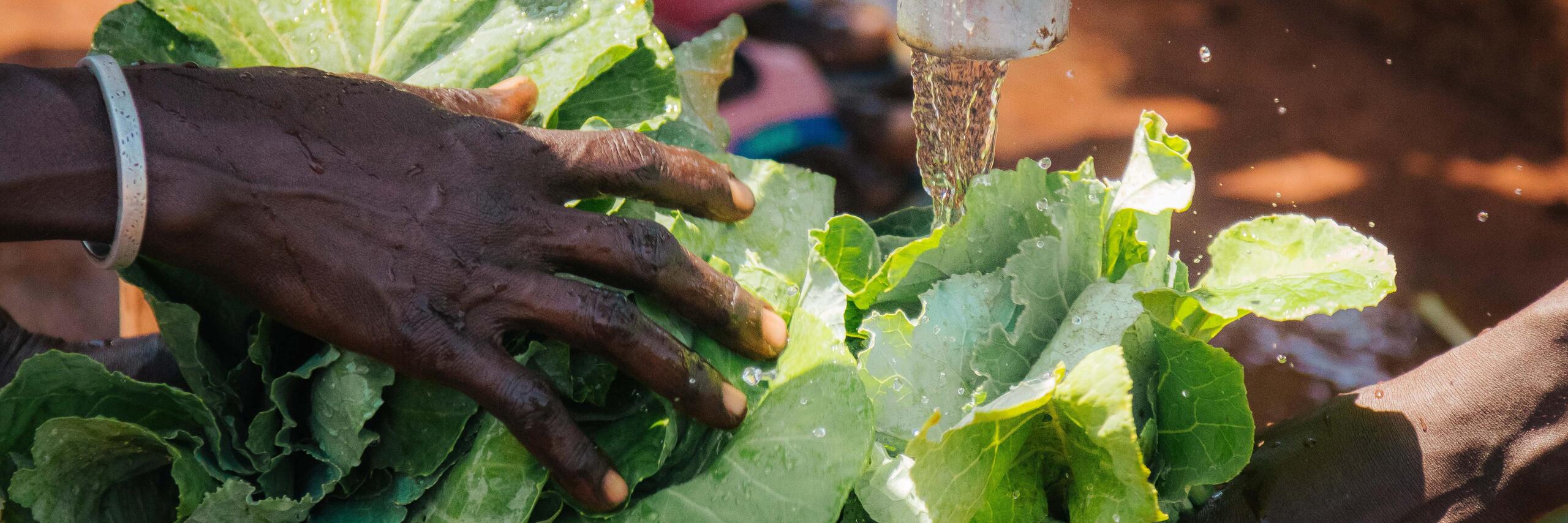
Economic Resilience
Ensuring health through basic necessities
Empowering peopleThe health and well-being of people in vulnerable situations are at the heart of our work. To ensure lasting improvements, our programmes also include livelihood and food security interventions, helping communities become more resilient to future crises.
To ensure lasting impact, every intervention begins with a thorough assessment of the local context. Together with communities and local partners, Johanniter identifies the challenges that threaten people's livelihoods and develops tailored solutions that build on existing capacities. This collaborative approach strengthens communities, enhances their ability to cope with environmental and climate-related challenges, and creates opportunities for a more resilient future - all while respecting local cultures and addressing the different needs of women, men, girls, and boys.
Food security and livelihoods
South Sudan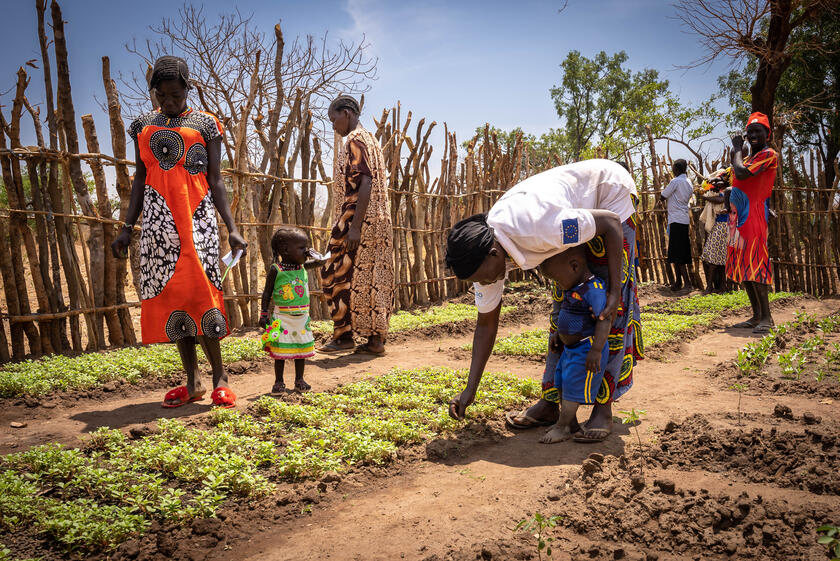
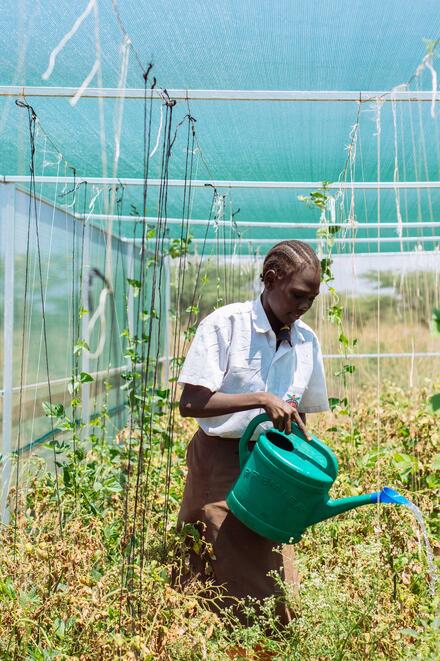
The close link between food security and livelihoods is illustrated by a project in South Sudan. In the small village of Roc Roc, 30 women have come together to form a farmers' group. On small plots of land, they grow okra, eggplant, tomatoes, beans, onions, and watermelons. Training in climate-smart agricultural practices enables them to harvest successfully even under challenging conditions.
Their farming not only provides their families with nutritious food but also generates an income. They sell surplus produce to pay school fees or invest in livestock. At the same time, the women have established a savings group that offers small loans to its members. They also share their knowledge with others, allowing the entire community to benefit.
A farmer embraces change
Cambodia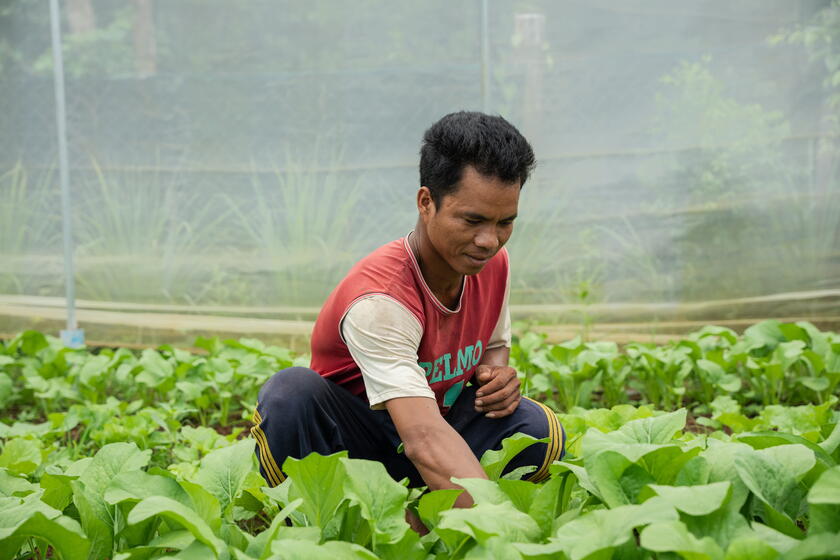
Thirty-four-year-old smallholder farmer Chea Phearom from Cambodia has faced significant challenges. Flooding destroyed part of his harvest, including cassava and vegetables. Through Johanniter's local partner, he received a greenhouse and training in climate-smart agricultural practices. Today, he primarily grows pak choi and cucumbers. After just six weeks, he is able to harvest around 100 kilograms of pak choi, which he sells at the local market—providing an important source of income for his family.
For Chea Phearom, one of the greatest benefits has been learning about sustainable farming. By turning cow manure and plant residues into compost, he improves soil fertility and increases his harvests over the long term. This knowledge is helping him adapt to the impacts of climate change and build a more resilient livelihood.
2025 at a glance
1.560
farmers
received training in climate-resilient farming practices and the processing of staple foods.
90
Percent
of the trained farmers are able to apply, on average, four climate-resilient cultivation and processing methods for staple foods and other crops.
281
members
are part of the 40 village disaster preparedness and management groups that have been formed in the project region.
3.000
men and women
in South Sudan were enabled to grow nutritious vegetables in farming groups through our project.
Strengthening people. Worldwide.
Discover More TopicsLearn how Johanniter has supported 2,025 people in crisis situations: from emergency relief and healthcare to income and food security. Effective, collaborative, and transparent.