Emergency Response
Overcoming crises
Response to Emergency SituationsConflicts, disasters, and climate change have led to a significant increase in the global need for humanitarian aid and disaster preparedness. Johanniter directly ensures survival in the immediate aftermath of crises while also strengthening the long-term resilience of affected communities.
When an emergency occurs, those affected must quickly meet their basic needs in order to maintain their safety and dignity. Together with local partners, we provide timely, needs-based health care and support to secure the means of subsistence. We focus particularly on the most vulnerable people.
Earthquake relief
Myanmar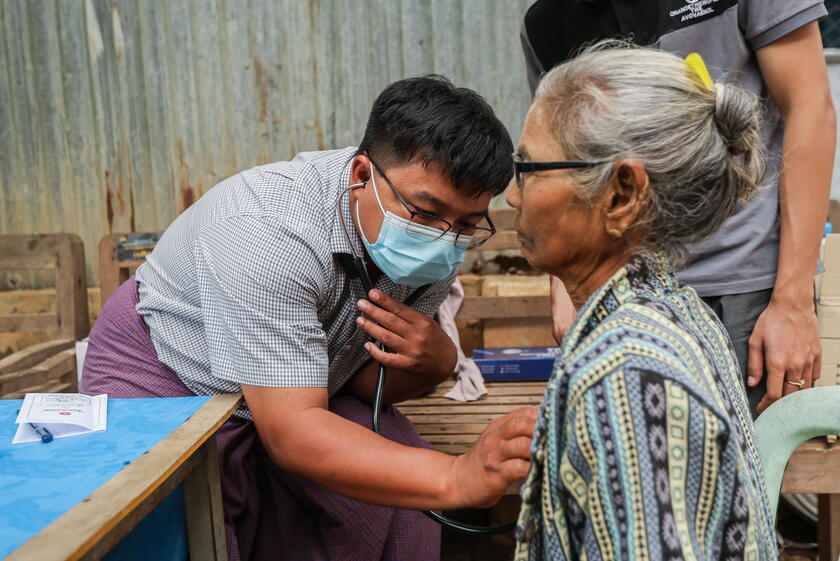
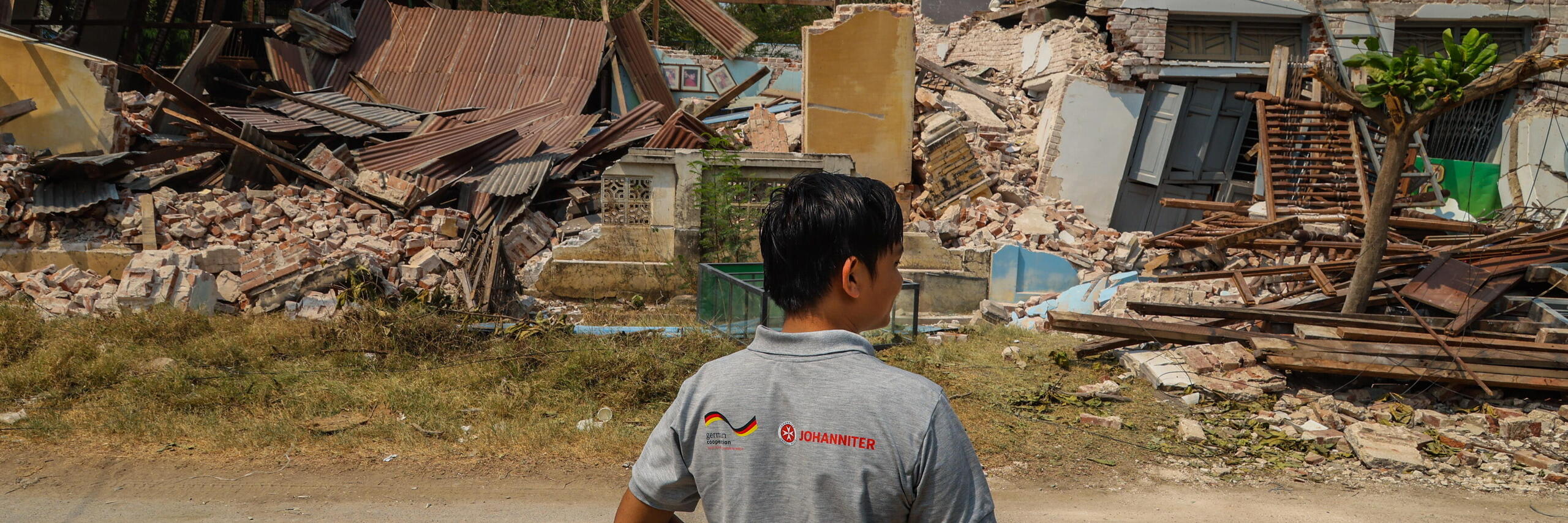
On 28 March 2025, a 7.7-magnitude earthquake struck large parts of Myanmar. Shortly afterwards, we deployed mobile clinics, where our teams treated around 100 patients each day. The clinics became a ray of hope for affected communities: they cared for the injured, treated the sick, and provided psychosocial support. After weeks of stress and trauma, a compassionate conversation and a listening ear can be just as healing as medicine.
Evacuations and protection
Ukraine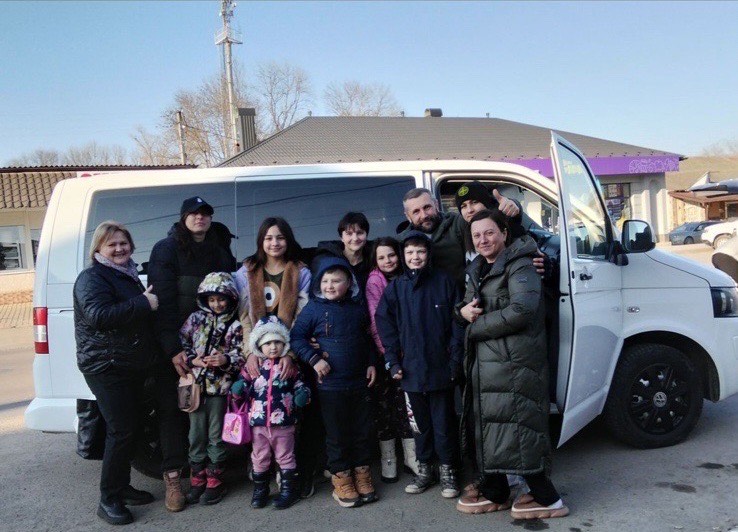
© ELEOS
In Ukraine, we are providing assistance to particularly vulnerable people in hard-to-reach regions near the front lines. Many places are cut off from larger cities, and transportation links have been severed. Together with our partner Eleos-Ukraine, we support evacuations from endangered areas and accompany families to safe locations, including the three shelters of the St. Olga Network.
Such evacuations are often logistically challenging, but they offer the prospect of a fresh start. Take Svitlana, for example: she left Kramatorsk because the daily risk of shelling made life there impossible. After a long journey, she found safety and hope with her son; and is now making plans for the future again. Together with local partners, we provide access to safety, care, and support—especially for those who are most at risk.
2025 at a glance
17.017
patients
received medical examinations and treatment at the mobile clinics in Myanmar.
1.050
hygiene kits
were distributed to affected households in Myanmar, with priority given to people particularly in need of protection.
400
people
were evacuated from frontline areas in Ukraine.
5
women's shelters
provided protection for women and their children after they fled.
Strengthening people. Worldwide.
Discover More TopicsLearn how Johanniter has supported 2,025 people in crisis situations: from emergency relief and healthcare to income and food security. Effective, collaborative, and transparent.