Partnerships
Local is better
Partnership and LocalisationTo ensure that humanitarian aid has the greatest possible impact in crisis- and disaster-stricken areas, we involve people, organisations and structures in the respective country in the planning and implementation of aid measures from the outset.
In all our international projects, we collaborate with local partner organisations and strengthen local structures. International aid organisations such as the Johanniter Union are important for securing and managing funding, risk management and technical support. However, national and local actors are best placed to understand the conditions and needs of the affected people, and can facilitate effective access to aid. Involving local actors also enhances the sustainability of the measures.
'In 2025, we defined more precisely what equal partnerships with local actors mean to us, and how we intend to implement them,' says Magdalena Kilwing, Unit Lead of the Emergency and Programme Quality Department. The goal is for important decisions to be made jointly with our partners. They should also receive sufficient financial resources to cover project and support costs. By 2025, Johanniter had already allocated 53 per cent of project expenditure to its partners. Risks and responsibilities in project implementation are also to be shared fairly between us and our partners. Furthermore, we advocate for better policy frameworks for locally led humanitarian aid and represent our partners’ interests in committees at national and international levels.
'Localisation and working with local partners makes humanitarian aid more effective, faster and fairer. Anyone who truly wants to support people in humanitarian crises should utilise, strengthen, fund and respect local expertise,' says Magdalena Kilwing. The Johanniter has been pursuing these goals for over 10 years as a signatory to Charter4Change. To measure our progress more accurately, we will introduce global indicators for partnerships and localisation in 2026.
Localization and working with local partners make humanitarian aid more effective.
2025 at a glance
Active support
Regional project
Local partner DPA
Cambodia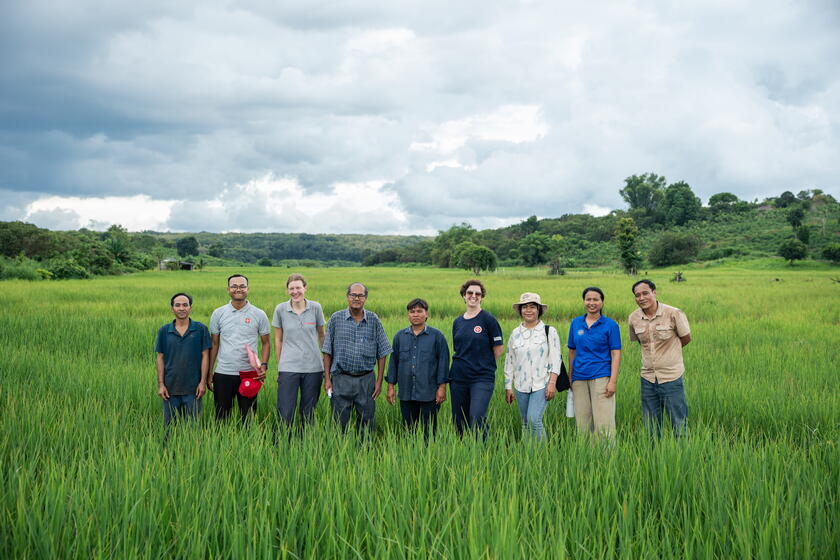
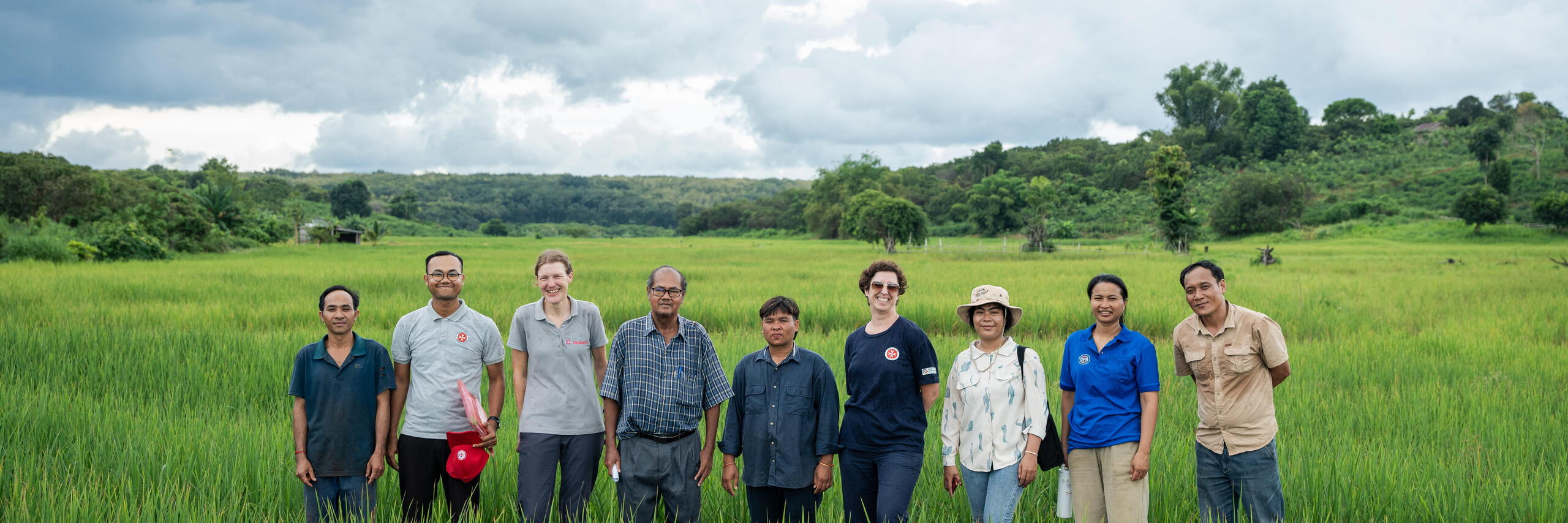
Strong local partnerships are the key to sustainable development cooperation. In Cambodia, the Johanniter have been working with the local organization Development and Partnership in Action (DPA) since 2021—a dedicated and experienced partner that is deeply committed to helping disadvantaged populations in rural areas.
DPA was founded in 2005 as a Cambodian nonprofit nongovernmental organization and currently employs 56 staff members. Its work focuses on supporting particularly vulnerable people affected by poverty. The goal is to strengthen communities and create long-term, equitable development opportunities.
The organization has many years of experience working with local communities and focuses on strengthening community-based organizations, promoting smallholder agriculture, generating income, and addressing climate change and disaster risk reduction. Another focus is on the protection of natural resources and sustainable forest management.
The partnership between Johanniter and DPA was formed on the basis of DPA’s technical expertise, strong local networks and professional project implementation capabilities. DPA’s participatory approach is particularly impressive. Comprehensive needs assessments were conducted in the target regions, involving household surveys, discussions with local authorities and consultations with community organisations. This approach provided a precise understanding of the challenges faced by local residents.
The joint effort focuses on strengthening the resilience of rural communities to the impacts of climate change. Specifically, the project supports more than 1,400 smallholder farming families in diversifying their sources of income and adopting climate-resilient farming methods. At the same time, local disaster preparedness structures are being strengthened to better protect thousands of people from climate-related crises. Furthermore, the project contributes to the protection of valuable forest areas and the sustainable use of natural resources.
The partnership with DPA clearly demonstrates how important strong local actors are for effective development cooperation—close to the people, technically competent, and with a deep understanding of the challenges on the ground.
Our partnership was characterized by transparency, participation, and mutual respect. From the beginning to the end of the project cycle, we were able to contribute our expertise and perspectives at any time. That is how we achieved our goals together.
Strengthening people. Worldwide.
Discover More TopicsLearn how Johanniter has supported 2,025 people in crisis situations: from emergency relief and healthcare to income and food security. Effective, collaborative, and transparent.